
Running out of hot water halfway through a shower, waiting for the tank to recover before washing dishes, or noticing that multiple bathrooms cannot comfortably operate at the same time are common signs that a home’s water heating system may not be meeting its needs. For homeowners in South Florida, these frustrations often become more noticeable as families grow, bathrooms are renovated, or household routines change. However, installing a larger water heater is not always the right solution. Choosing the correct size requires understanding how much hot water your household actually uses and how different water heating systems deliver it.
Whether you are replacing an aging water heater in Fort Lauderdale, upgrading equipment in Miami, or planning a new installation in Broward County, capacity should be one of your first considerations. Tank water heaters are measured by storage volume and hot water delivery, while tankless systems are sized according to flow rate and temperature requirements. The right choice also depends on the number of occupants, bathroom fixtures, simultaneous water usage, available utilities, and installation space. This water heater size guide explains how these factors work together and what homeowners should evaluate before investing in new equipment.
The right water heater size depends primarily on your household’s peak hot water demand rather than the number of people living in the home alone. As a general starting point, smaller households may find a 30- or 40-gallon storage tank sufficient, while many families of three or four consider 40- to 50-gallon models. Larger households or homes with significant simultaneous hot water usage may require 50- to 80-gallon systems or another configuration. These are preliminary comparisons, not guaranteed sizing recommendations.
For conventional storage water heaters, the first-hour rating is particularly important because it estimates how much hot water the system can deliver during a busy hour. Tankless water heaters, meanwhile, must be sized according to the combined flow rate of fixtures used simultaneously and the temperature increase required. A qualified installer can calculate these demands and recommend appropriate equipment based on the specific property.
Household size is a useful starting point when selecting a water heater, but it does not tell the entire story. A two-person household where both occupants take short showers at different times may use considerably less hot water during peak periods than another two-person household that regularly operates multiple showers, laundry appliances, and kitchen fixtures together.
For example, a family with children preparing for school each morning may have several showers running within a relatively short period. Even if the household’s daily water consumption is moderate, that concentrated morning demand can place significant pressure on an undersized storage water heater.
When estimating household needs, consider:
How many people use hot water regularly.
Whether everyone showers around the same time.
How often the washing machine and dishwasher operate.
Whether guests frequently stay overnight.
Whether household occupancy is expected to increase.
Whether existing hot water shortages occur at predictable times.
Rather than selecting a water heater based exclusively on occupancy, homeowners should identify when their household uses the most hot water and how much must be available during those periods.
The number of bathrooms can significantly affect hot water demand, particularly in larger homes. However, having four bathrooms does not automatically mean the home needs twice the capacity of a two-bathroom property. What matters is how frequently those bathrooms are used simultaneously and what types of fixtures they contain.
A home with three standard bathrooms may have relatively modest requirements if occupants follow different schedules. Conversely, a two-bathroom home with a large soaking tub, rainfall showerheads, and frequent simultaneous showers could require greater hot water delivery.
Certain fixtures deserve additional attention during sizing. Large bathtubs can consume substantial volumes of heated water during a single use, while multiple showerheads increase the flow rate required during a shower. Before arranging a new water heater installation, homeowners should discuss these fixtures with their installer, especially if bathroom renovations or plumbing upgrades are planned.
Peak hot water demand refers to the greatest amount of hot water a household needs during a particular period. It is one of the most important measurements when determining the appropriate water heater size because systems must accommodate busy periods without repeatedly running out of heated water.
Consider a typical weekday morning. One person showers while another uses a bathroom sink, and the dishwasher begins operating shortly afterward. Although each activity may seem routine, their combined demand can place a significant load on a water heater.
To estimate peak demand, homeowners can identify their busiest hour and consider which fixtures are operating during that period. For tankless equipment, the calculation also needs to account for the fixtures that run at the same time.
The U.S. Department of Energy’s water heating guidance provides additional information about equipment selection, efficiency, and how different water heating technologies meet household needs.
A water heater size for a family of 4 is frequently discussed in terms of 40- or 50-gallon storage tanks. These sizes can be reasonable starting points for conventional residential systems, but the final selection should reflect the household’s actual usage patterns.
For example, a family of four with two bathrooms and staggered shower schedules may be comfortable with a properly rated 40-gallon water heater. Another family of the same size, with three bathrooms, longer showers, and frequent laundry, may benefit from a 50-gallon model or equipment with stronger recovery performance.
Additionally, water heaters with identical storage capacities can deliver different amounts of hot water because of differences in heating power and recovery rates. This is why evaluating the first-hour rating is often more useful than comparing gallon capacity alone.
For families experiencing frequent hot water shortages, a professional should also investigate whether the existing system is undersized or simply performing poorly. Sediment accumulation, malfunctioning heating elements, and thermostat problems can affect delivery even when the original equipment was appropriately sized.
A 30- or 40-gallon conventional water heater may be sufficient for some smaller households, but bedroom count alone is not a reliable sizing method. The number of occupants, bathroom fixtures, and simultaneous hot water usage are more important. Compare the first-hour rating with your household's peak demand before selecting equipment.
The decision depends on how much hot water your household needs during peak periods, the water heater's recovery performance, and available installation space. An 80-gallon unit may be appropriate for certain high-demand households or heat pump applications, but it is not automatically better than a properly selected 50-gallon system.
An undersized system may struggle to meet demand and require frequent recovery cycles, but this does not automatically mean it uses more energy than a larger unit. Actual energy consumption depends on water usage, system efficiency, standby losses, and operating conditions. Proper sizing balances performance with energy use.
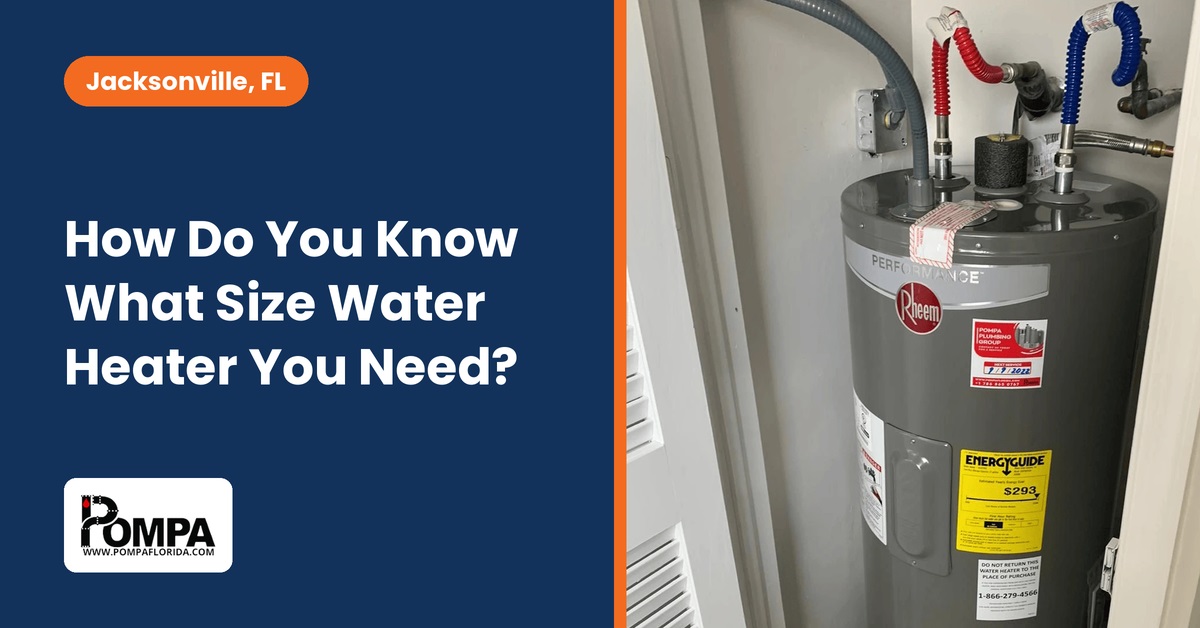
Traditional tank water heaters store heated water until it is needed. Their capacity is expressed in gallons, but this number does not represent the total amount of hot water the system can deliver over an extended period.
The first-hour rating, commonly abbreviated FHR, estimates how much hot water a storage heater can provide during one hour beginning with a fully heated tank. It accounts for stored water and additional water heated as the system operates.
For example, two 50-gallon tanks may have different first-hour ratings because one reheats incoming water faster than the other. A homeowner comparing these units should consider both storage capacity and expected delivery rather than assuming they provide identical performance.
The ENERGY STAR water heater product criteria explain first-hour ratings and other performance measurements used to compare equipment.
When shopping for a replacement, review the manufacturer’s specifications and EnergyGuide information. Matching the first-hour rating to expected demand can help reduce the risk of purchasing an undersized unit.
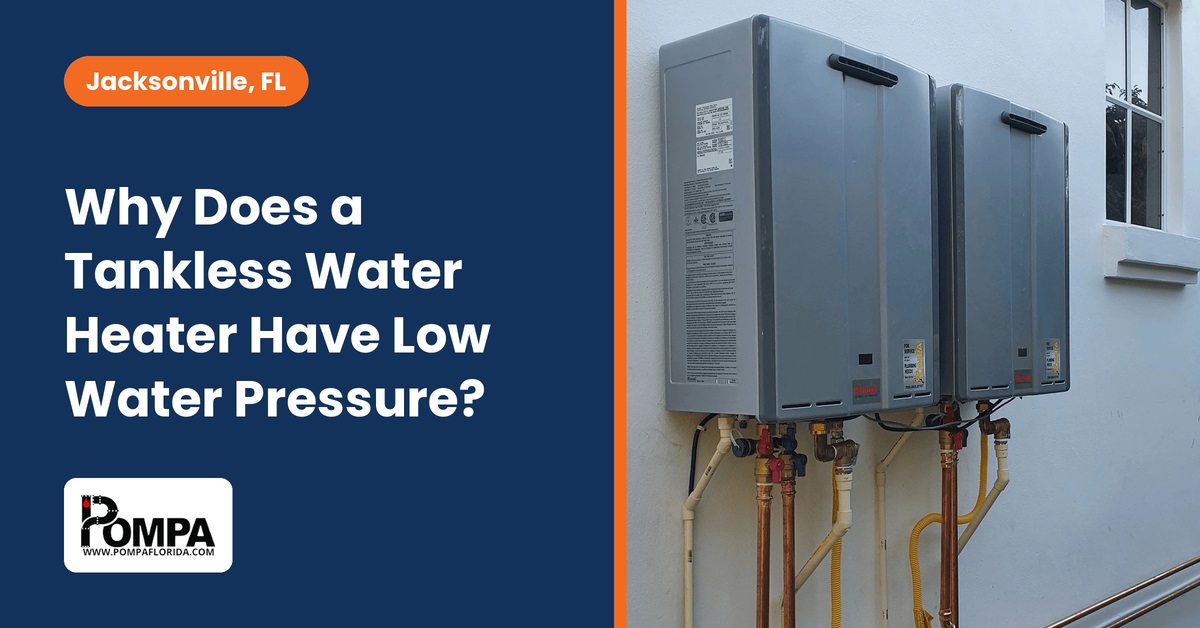
Tankless water heater sizing works differently because these systems heat water as it passes through the equipment instead of storing a large quantity in a tank. Their output is commonly expressed in gallons per minute, or GPM, at a specified temperature rise.
For example, consider a household using two showers at the same time. If each shower requires approximately 2 gallons per minute of hot water, the system may need to deliver around 4 GPM before accounting for additional fixtures. Actual hot water flow depends on the fixture’s total flow, mixed water temperature, and incoming water temperature.
The second consideration is temperature rise, which is the difference between the incoming water temperature and the desired heated water temperature. In South Florida, incoming water is generally warmer than in many northern climates, potentially reducing the heating demand. However, water temperature still varies seasonally and by property.
When evaluating tankless water heater options, homeowners should compare manufacturer flow-rate specifications at the temperature rise appropriate for their location. A model advertised with a high maximum GPM rating may deliver less water when a greater temperature increase is required.
An undersized water heater can cause recurring discomfort and inconvenience. Common symptoms include hot water running out during consecutive showers, insufficient supply for simultaneous fixtures, and long waits between heavy-use periods. However, these symptoms can also result from equipment faults, making an inspection important before assuming capacity is the problem.
Oversizing has disadvantages as well. A larger storage tank generally costs more to purchase, requires additional space, and may increase standby energy losses depending on the equipment. For tankless systems, unnecessarily high capacity can result in greater upfront costs or utility modifications that provide little practical benefit.
There are exceptions. For example, larger storage capacity may improve the performance and efficiency of certain heat pump water heaters by reducing reliance on backup electric resistance heating during periods of high demand.
The goal is therefore not simply to choose the smallest or largest available system. Instead, homeowners should balance peak demand, equipment performance, energy efficiency, installation requirements, and expected future usage.
Households with five or more occupants often have more demanding hot water requirements, especially when multiple bathrooms operate simultaneously. In these situations, larger storage tanks, high-recovery equipment, or carefully designed tankless systems may be appropriate.
For example, a household with six occupants may need to accommodate several consecutive showers, laundry, kitchen cleaning, and occasional simultaneous fixture use. The most suitable equipment depends on whether these activities occur within a short period or are distributed throughout the day.
Some larger homes may benefit from multiple water heaters or dedicated units serving particular areas. However, this approach introduces additional installation and maintenance considerations. A professional should evaluate the plumbing layout, fixture demands, available utilities, and potential distribution losses before recommending a multi-unit configuration.
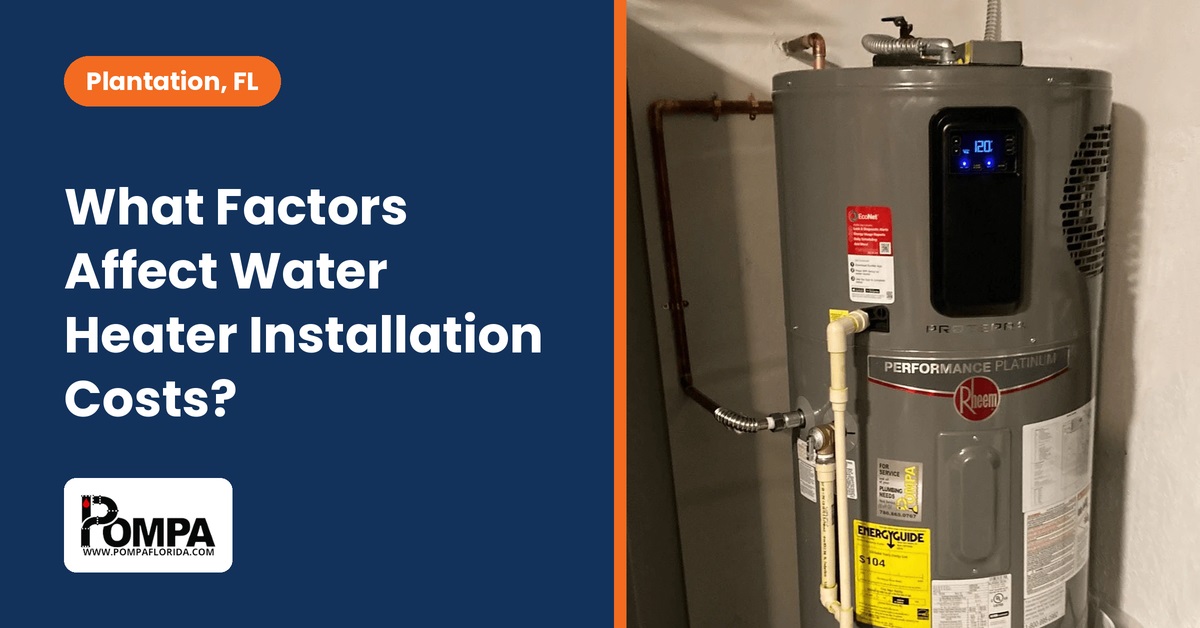
Hybrid water heaters, also called heat pump water heaters, use electricity to transfer heat from surrounding air into stored water. They typically offer greater energy efficiency than conventional electric resistance models, but their operating characteristics create additional sizing considerations.
Because heat pump heating can be slower than conventional resistance heating, sufficient storage capacity becomes especially important during periods of heavy demand. Some models include auxiliary electric heating elements that activate when additional heating capacity is needed.
According to ENERGY STAR’s heat pump water heater sizing guidance, selecting a larger tank can help some systems operate more frequently in their efficient heat pump mode.
For Florida homeowners, hybrid equipment may be worth considering where installation space, airflow, drainage, and electrical requirements can be accommodated. However, the best tank size should still be determined by the household’s usage and the specific model’s first-hour rating.
Commercial water heating requirements can differ substantially from residential applications. Restaurants, fitness centers, multifamily properties, salons, and other businesses may experience periods of intense hot water demand that cannot be estimated accurately using ordinary household sizing guidelines.
For instance, a fitness facility with multiple showers may require substantial simultaneous flow, while a restaurant may need consistent hot water availability for dishwashing, food preparation, and cleaning. Equipment selection must account for these operating patterns as well as applicable sanitation, plumbing, and building requirements.
Commercial systems may use high-recovery storage heaters, multiple interconnected units, or specialized equipment selected according to calculated demand. Business owners should work with qualified professionals familiar with the intended application rather than relying on residential capacity recommendations.
Selecting the right capacity also affects the overall cost and complexity of installation. Larger equipment may require more space, different connections, or additional structural considerations. Changing technologies, such as converting from an electric storage tank to a tankless system, can involve substantially more work than replacing an existing unit with a similar model.
Important cost considerations include:
Equipment capacity: Larger or higher-output systems can carry higher purchase prices.
Water heater type: Tank, tankless, and hybrid models have different installation requirements.
Electrical or gas infrastructure: Higher-capacity equipment may require utility upgrades.
Available space: Closets, garages, and confined mechanical areas can limit equipment choices.
Existing plumbing: Aging valves, damaged connections, and outdated piping may need attention.
Permitting requirements: Local building departments may require permits and inspections.
Installation urgency: Emergency replacement can affect scheduling and available equipment choices.
For water heater installation in Florida, homeowners should request a written estimate that identifies the recommended system and any additional work required. Final pricing and timelines depend on the property’s condition, equipment availability, local requirements, installer, and project complexity.
Homes throughout Fort Lauderdale, Plantation, Miramar, Davie, Pembroke Pines, and Miami vary considerably in layout, age, and water heating infrastructure. Some properties have compact utility closets with limited clearance, while others have garage installations with more flexibility for larger tanks or hybrid equipment.
When arranging water heater services in Broward County, homeowners should consider both current needs and any planned home improvements. Renovating a bathroom, adding another shower, or converting a property into a larger household can change the amount of hot water required.
Similarly, when choosing a water heater installer in Miami, ask whether the proposed equipment has been sized using actual fixture demand and manufacturer performance specifications. The installer should also evaluate the installation location, utility connections, and applicable local permitting requirements.
Although homeowners can estimate their hot water usage, professional assistance is advisable when replacing equipment, switching technologies, or experiencing persistent performance issues. A qualified installer can calculate peak demand, inspect existing connections, and identify whether the problem is related to insufficient capacity or equipment deterioration.
For example, an aging water heater may deliver less hot water because of sediment buildup or a failed heating element rather than inadequate original sizing. In these cases, water heater repair may resolve the issue without requiring a larger system.
Electrical modifications, gas connections, pressure-control components, and other safety-related installation work should be handled by appropriately qualified professionals. Homeowners should not attempt to modify utility connections or bypass safety devices to increase hot water output.
Proper sizing is only the beginning of reliable water heating. Over time, mineral deposits, worn components, and inadequate maintenance can reduce performance regardless of the equipment’s original capacity.
Storage water heaters may benefit from periodic inspection and sediment management, while tankless systems can require descaling and filter cleaning according to manufacturer recommendations. Hybrid units also have airflow and condensate maintenance requirements.
Regular water heater maintenance helps identify conditions that could affect efficiency and hot water availability. It also provides an opportunity to review system performance as household usage changes.
Choosing the correct water heater size requires more than counting bathrooms or selecting a tank based on household size. A dependable system must provide sufficient hot water during peak periods while fitting the property’s infrastructure, available space, and long-term operating needs.
For homeowners in Broward County and Miami-Dade County, evaluating first-hour ratings, tankless flow rates, fixture demand, and equipment efficiency can make the replacement process more straightforward. Equally important is determining whether existing hot water problems result from insufficient capacity or a mechanical issue that can be repaired.
Pompa Plumbing offers water heater installation and replacement services for homeowners evaluating their options. Starting with a professional assessment can help you select equipment that meets your household’s hot water needs without unnecessary capacity or installation expenses.