
A shower that used to feel strong and now barely trickles is frustrating, especially when the water is hot. If you’ve been searching for answers on tankless water heater low pressure Jacksonville homeowners run into, the good news is that the causes tend to be few and fairly predictable. This guide walks through what is usually behind it and when it makes sense to bring in a professional.
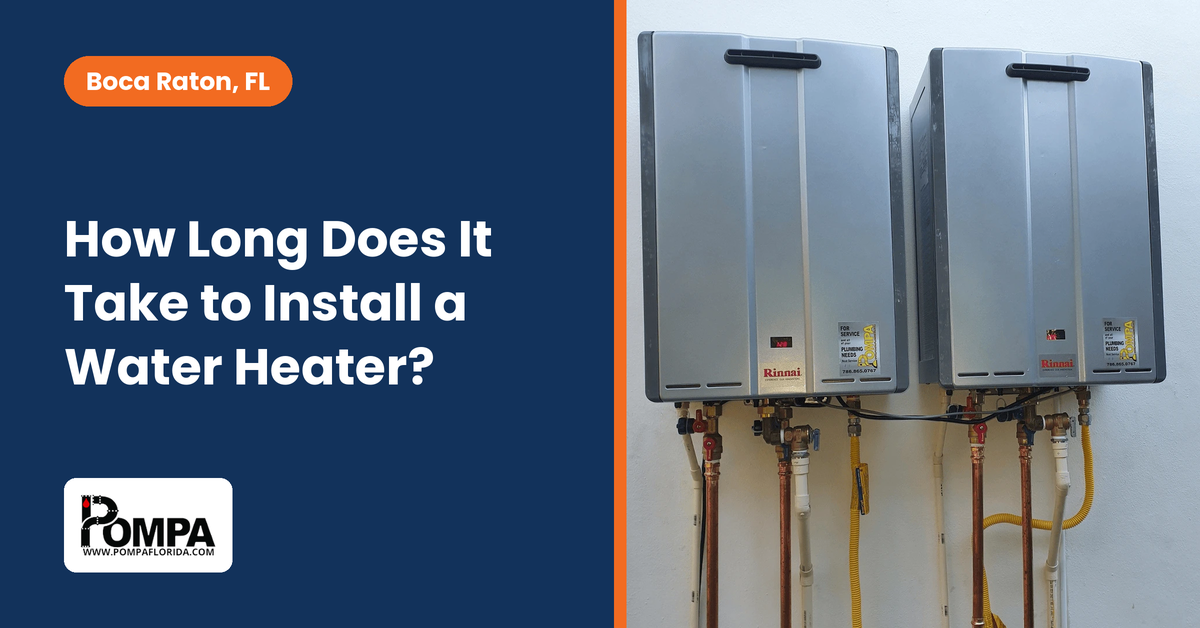
A tankless water heater heats water only when it’s needed, so there’s no storage tank holding a reserve. Hot water is delivered on demand and, when the system is working properly, it keeps a steady flow going for as long as you need it.
That also means the heater is only one part of a larger setup. The pipes, valves, faucets, and fixtures all play a role in how strong the flow feels at your tap, so it helps to look at the whole system and not just the unit on the wall.
Florida’s tap water is naturally hard, which means it carries dissolved minerals like calcium and magnesium. Over time, those minerals form a thick, chalky layer inside your water heater and pipes. The buildup makes the system work harder and use more energy to deliver the same amount of hot water.
Scale doesn’t stay in one place, either. It can corrode heating elements and valves, and it also collects in faucets and fixtures. Scale buildup is listed among the most common tankless system issues, along with ignition problems and fluctuating water temperatures.
Water pressure problems rarely show up alone. Popping or rumbling sounds can point to sediment buildup, and a unit that takes longer to heat water or drives your energy bills higher may be dealing with scale as well.
Good water quality helps maintain consistent water temperature and pressure, and it keeps plumbing lines free of blockages and corrosion. When you notice pressure changing along with any of those signs, buildup is a reasonable first suspect.
Sand, rust, and silt can travel through older distribution systems and settle inside fixtures and appliances. Sediment filters are designed to remove these visible particles, which protects plumbing, fixtures, and appliances from clogging and damage.
If a softener isn’t an option for your home, whole-home or point-of-use filters are another way to keep sediment and fine particles from reaching your heater.
Sizing matters more than most people expect. Choosing a water heater comes down to your family size and how much hot water you use in one continuous hour, which is often called Peak Hour Demand.
If you’re living with a low flow tankless heater, ask whether it was matched to your household in the first place. An undersized unit may struggle to keep up with demand and cause temperature fluctuations, which is why proper planning during installation is so important.
Gas-powered units need proper venting to release exhaust gases safely. Airflow problems, overheating, and sensor faults can also cause performance issues, and these usually call for a professional to diagnose and fix. This isn’t a spot for guesswork.
Routine flushing removes the sediment and scale that collect inside your heater. It keeps the system efficient, helps prevent overheating, and extends the life of internal components. In areas with hard water, a professional flush at least once a year is recommended.
A water softener is also worth considering. It neutralizes calcium and magnesium before they enter your plumbing, which sharply reduces mineral buildup in the heater and prevents scale from forming in faucets and fixtures.
Some causes are easy to spot, but others hide inside the unit or behind the walls. Tankless troubleshooting is much faster when a trained technician starts with a full inspection to identify the underlying problem. That approach is how Pompa Plumbing Group handles repairs, and the team will explain what they find and fix it with care.
Our technicians are licensed, bonded, and insured, certified with Rheem and Rinnai, and backed by a warranty on their work. Same-day appointments are available in Jacksonville.
For professional troubleshooting, see our tankless water heater repair Jacksonville service.
tart by clearing scale and sediment through professional flushing, a water softener, or sediment filters, and have a technician inspect the unit to find the actual cause.
They cost about 2 to 2½ times as much as a standard heater to purchase and install, and gas models need proper venting and careful sizing, so the work is more involved.
A properly sized, well-maintained unit delivers a steady flow of hot water. When flow weakens, scale, sediment, or an undersized unit are the usual suspects.
Mineral scale and sediment buildup, which is common in Florida's hard water and can restrict lines, faucets, and fixtures.