
Two neighbors can replace their water heaters in the same month and end up with very different invoices. That gap isn’t random. The water heater installation cost factors Plantation homeowners run into come down to a handful of practical details, and once you know them, a quote stops feeling like a mystery number.
Here’s what actually moves the price up or down.
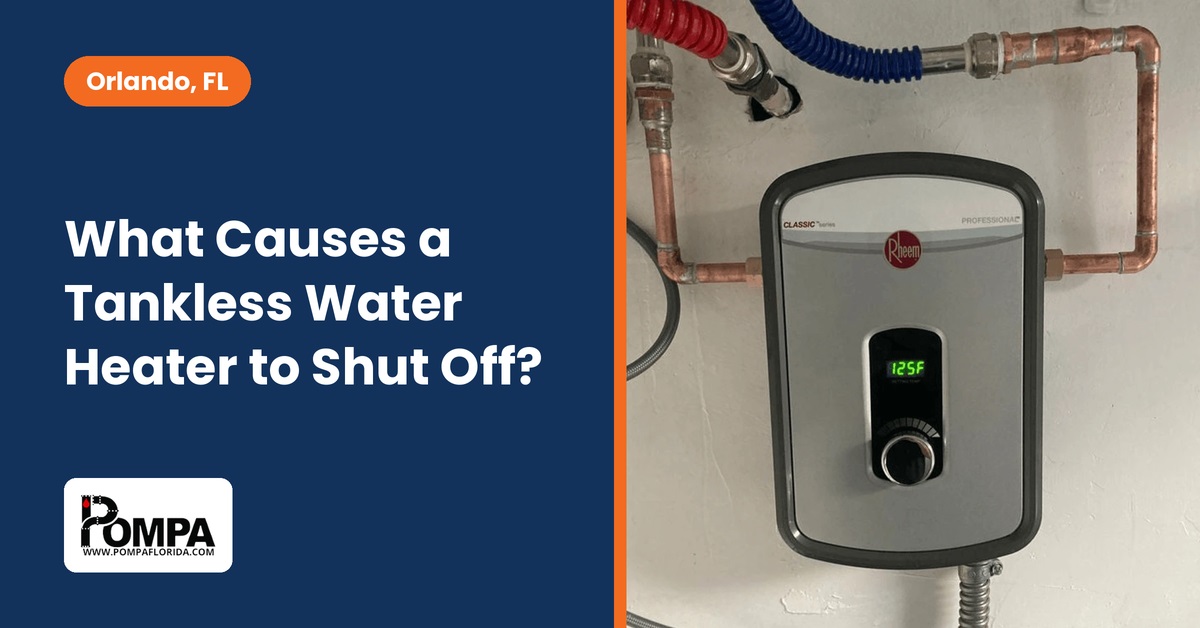
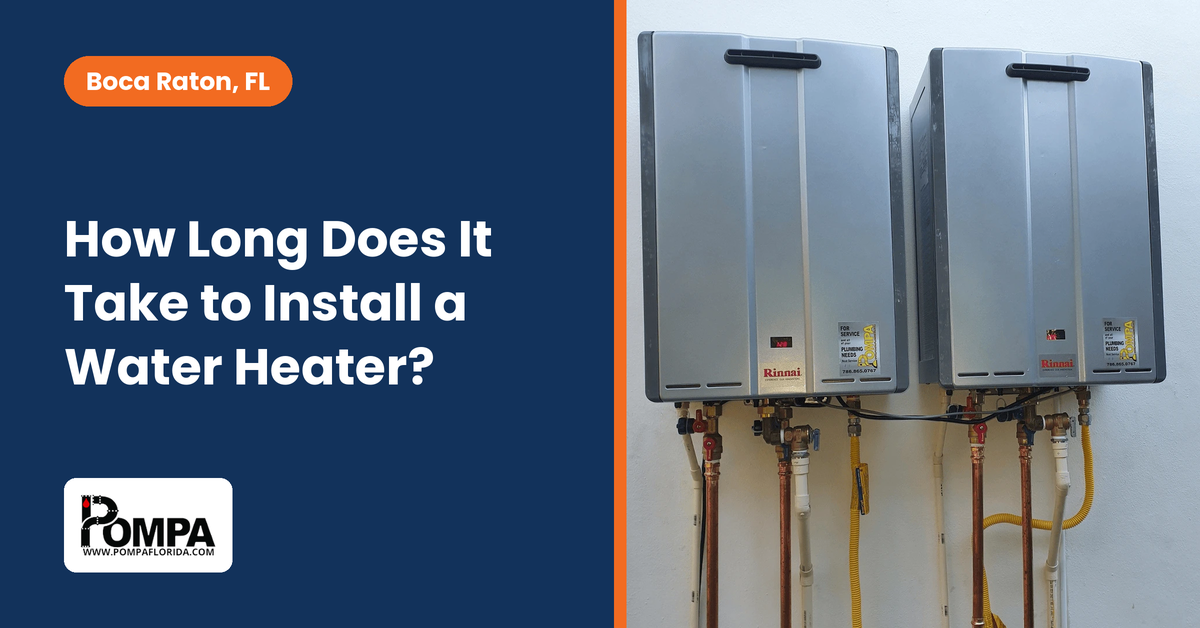
The biggest swing comes from the kind of unit you choose. A standard tank model is the most affordable option and the simplest to put in. Tankless units, heat pump models, and hybrid systems sit at the higher end because the equipment is pricier and the setup is more involved.
When you compare water heater cost across these options, remember that the sticker price of the unit is only part of the story. A heat pump model, for example, costs more upfront but can trim your electric bill for years, so the cheapest choice today isn’t always the cheapest over a decade.
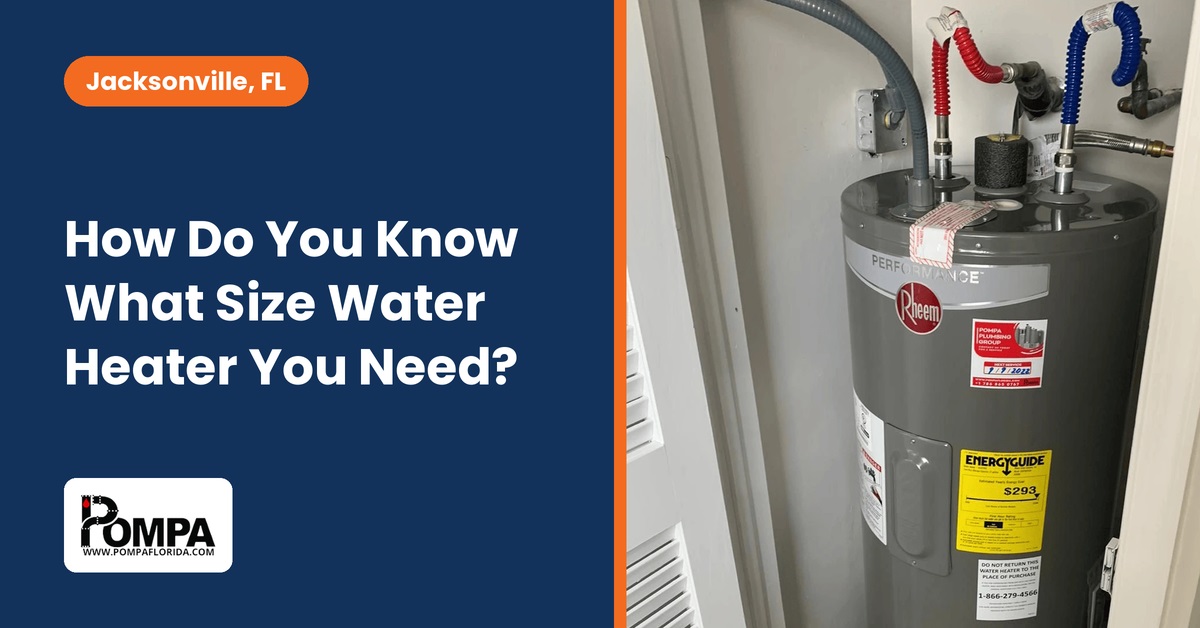
A 40 gallon tank suits a small household, while a family of five may need 50 or 80 gallons. Larger tanks cost more to buy, weigh more to haul, and sometimes require a second set of hands. If your current heater is undersized and you’re upgrading, expect that to show up on the estimate.
Whether your home runs on electricity or natural gas matters a great deal. Swapping electric for electric is straightforward. Switching fuel types means new gas lines, a new electrical circuit, or both, and that adds real labor.
Venting is another piece people overlook. Gas units and tankless models need proper exhaust routing, and older homes sometimes have flues that no longer meet current code. Fixing that is a safety issue, not an optional extra.
In South Florida, water heaters end up in garages, attics, closets, and sometimes outdoor enclosures. An easy-to-reach garage install goes quickly. A unit wedged into a narrow closet or hauled up into an attic takes more time, and time is what labor charges are built on.
Moving the heater to a new spot costs more still, since supply lines, drain lines, and overflow protection all have to be rerouted.
Most replacements need a permit, and the fee varies by municipality. On top of that, older setups often need updates before the work can pass inspection. Think expansion tanks, seismic-style strapping alternatives, new shutoff valves, or a properly plumbed drain pan. Your installation pricing will reflect these requirements because skipping them isn’t an option for a licensed plumber.
Labor typically makes up a big share of the total. Rates depend on the plumber’s experience, the complexity of the job, and whether it’s an emergency call. A same-day replacement at 7 p.m. on a Sunday will cost more than a scheduled weekday appointment.
Small extras add up too. Hauling away the old tank, replacing corroded pipe fittings, upgrading flexible connectors, and adding a leak sensor are all common line items. None are dramatic on their own, but together they can shift the total noticeably.
A low number isn’t a good deal if it leaves things out. Ask each plumber to spell out what’s included: the unit, permit, disposal, warranty, and any code work. Two quotes that look far apart may simply be covering different scope.
It also helps to understand the installation factors that apply to your specific house before you start calling around. Take a photo of your current heater and its label, note where it sits, and know whether it runs on gas or electric. That information lets a plumber give you a much tighter estimate over the phone.
Cutting corners on venting, sizing, or code compliance tends to backfire with leaks, early failure, or safety hazards. Pompa Plumbing Group approaches each job by looking at the whole setup rather than just swapping a tank, so the price you’re given reflects the work that’s genuinely needed and not surprises added later.
For professional installation, explore our water heater installation Plantation service.
Labor typically runs about $300 to $700 for a standard tank, and more for tankless units or jobs that need relocation or new venting.
You're paying for the unit, skilled licensed labor, permits, code upgrades, and disposal of the old tank, and complex setups take more time.
Most Florida homeowners spend roughly $1,200 to $3,500 for a tank model installed, with tankless and heat pump systems costing more.
Expect about $2,500 to $5,500 installed, depending on whether it's gas or electric, the capacity needed, and any venting or line upgrades.