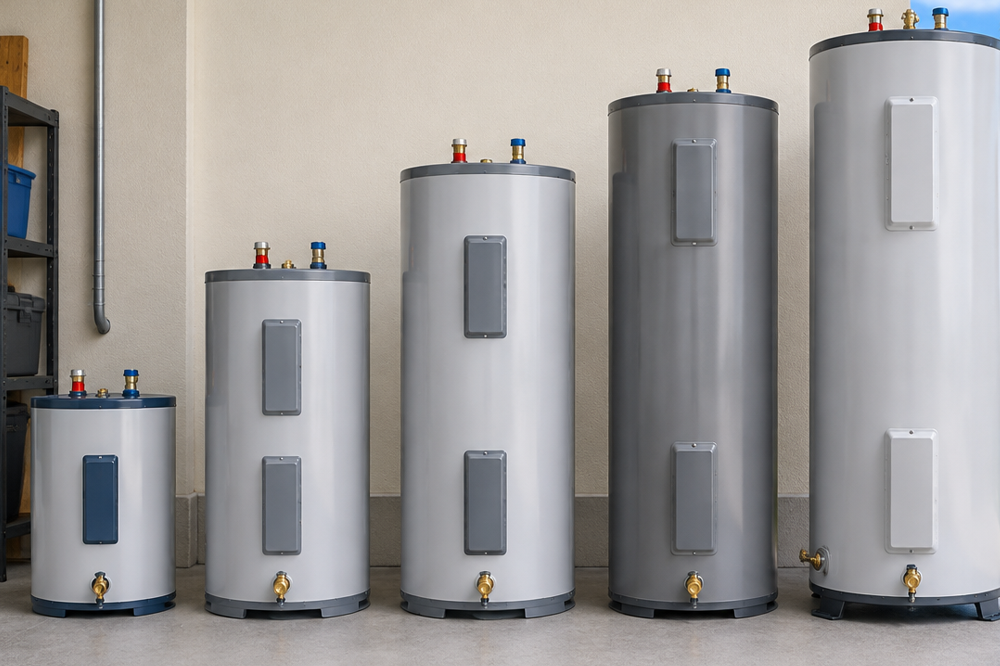

A failing water heater can quickly disrupt everyday life, especially when you discover there is no hot water before work, notice a puddle forming near the tank, or realize your showers are getting shorter because the hot water runs out. For homeowners in Broward County, deciding whether to repair or replace a water heater involves more than simply choosing a new unit. The age of the equipment, its condition, household hot water demands, installation requirements, and long-term energy costs can all influence which option makes the most sense.
Whether you live in Fort Lauderdale, Plantation, Miramar, Davie, Pembroke Pines, or another Broward County community, understanding the replacement process can help you avoid unnecessary expenses and choose equipment that fits your home. Florida’s warm, humid climate, varying water conditions, and local permitting requirements also deserve consideration. This guide explains the signs that replacement may be necessary, how to compare different types of water heaters, what affects installation costs, and how to prepare for a new system.
Water heater replacement in Broward County is generally worth considering when an existing system has recurring problems, significant corrosion, a leaking storage tank, declining performance, or repair costs that are difficult to justify. Although many conventional tank water heaters last approximately 8–12 years, actual service life varies depending on water quality, maintenance, installation conditions, and usage. Age alone does not necessarily mean a functioning system needs immediate replacement.
The best approach is to evaluate the water heater’s current condition alongside its expected remaining service life. A relatively new unit with a failed heating element may only require a straightforward repair, while an older tank showing signs of internal deterioration may be a better candidate for replacement. Homeowners researching professional water heater replacement services should start with an inspection to identify the underlying problem before selecting new equipment.
Water heaters often show signs of deterioration before they stop working entirely. However, some symptoms are easy to overlook or mistake for ordinary wear. For example, inconsistent water temperatures may initially seem like a minor inconvenience, while occasional moisture around a tank might be dismissed as condensation. Both situations deserve investigation, particularly when the water heater is older.
Common warning signs include:
Inconsistent hot water: Water temperatures fluctuate unexpectedly, or hot water runs out faster than usual.
Visible corrosion: Rust develops around tank connections, fittings, or the exterior casing.
Leaks around the tank: Water collects beneath the unit or appears to originate from the tank body.
Unusual noises: Rumbling, popping, or banging sounds develop during heating cycles.
Recurring repairs: Multiple components require replacement within a relatively short period.
Declining performance: The system takes longer to recover or struggles to meet normal household demands.
Not every symptom requires a complete replacement. Sediment accumulation, worn components, and thermostat problems may be correctable through professional water heater repair. Nevertheless, a leaking tank body typically indicates a more serious problem because the storage vessel itself generally cannot be repaired reliably.
A water heater’s age provides useful context, but its physical condition is usually more important when determining whether replacement is necessary. Two water heaters installed during the same year can experience very different levels of wear depending on maintenance practices, water chemistry, operating temperature, and how much hot water each household uses.
For instance, a well-maintained water heater in a Plantation home may continue operating satisfactorily beyond its expected lifespan, while a similar unit in another property develops corrosion or sediment-related performance problems much earlier. In parts of South Florida, mineral content and other characteristics of the water supply can contribute to scaling and sediment accumulation, although conditions vary between properties and municipal water systems.
If your system is approaching the end of its expected lifespan, checking the manufacturer’s information, reviewing maintenance history, and scheduling an inspection can help determine the next step. Routine water heater flushing may help address certain sediment-related issues, but flushing cannot reverse structural corrosion or restore a deteriorated tank.
One of the most common questions homeowners ask is whether repairing an existing water heater is more economical than replacing it. The answer depends on the nature of the failure, the cost of replacement parts, labor requirements, and how much useful life the existing system may have remaining.
Replacing a faulty thermostat, heating element, or accessible component may be reasonable when the tank is otherwise in good condition. However, an expensive repair on an aging system may provide only a temporary solution, especially if other components are also deteriorating. Before approving a significant repair, compare its total cost with a written replacement estimate, including installation, necessary upgrades, and expected operating expenses.
A useful comparison should consider:
The age and general condition of the existing equipment.
Whether the problem involves a replaceable component or the tank itself.
The likelihood of additional repairs in the near future.
The cost of purchasing and installing a suitable replacement.
Potential changes in energy consumption and maintenance requirements.
For homeowners considering water heater replacement in Fort Lauderdale, obtaining an accurate diagnosis before making the decision can prevent both premature replacement and repeated spending on an unreliable system.
Many conventional tank water heaters last approximately 8–12 years, although service life varies depending on water quality, usage, installation, and maintenance. Tankless models may last longer when properly maintained. Rather than replacing a water heater based solely on age, homeowners should consider its overall condition and repair history.
Water heater replacements generally require compliance with local plumbing and building permit requirements. The exact process depends on the municipality and installation details. Fort Lauderdale, Plantation, Davie, Miramar, and other Broward communities may administer permitting separately. Ask your installer to confirm the requirements with the appropriate building department.
A straightforward replacement of a conventional tank unit may be completed within several hours once the equipment and site are ready. However, conversions to tankless systems, electrical upgrades, plumbing modifications, permit arrangements, and inspections can extend the overall timeline. The installer should provide an estimate based on the specific project.
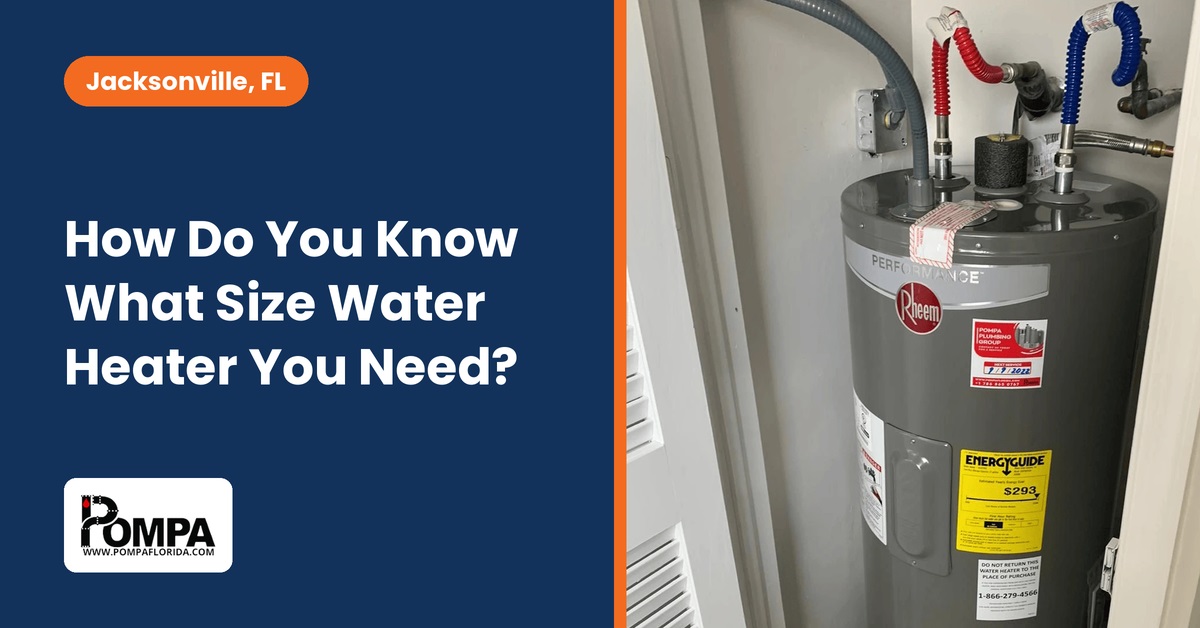
Traditional tank water heaters store a predetermined amount of heated water for household use. They are familiar to most homeowners, generally have lower initial equipment costs than comparable whole-home tankless systems, and can often be installed with relatively few modifications when replacing a similar unit. Their main limitation is storage capacity. Once the stored hot water is depleted, the system needs time to reheat additional water.
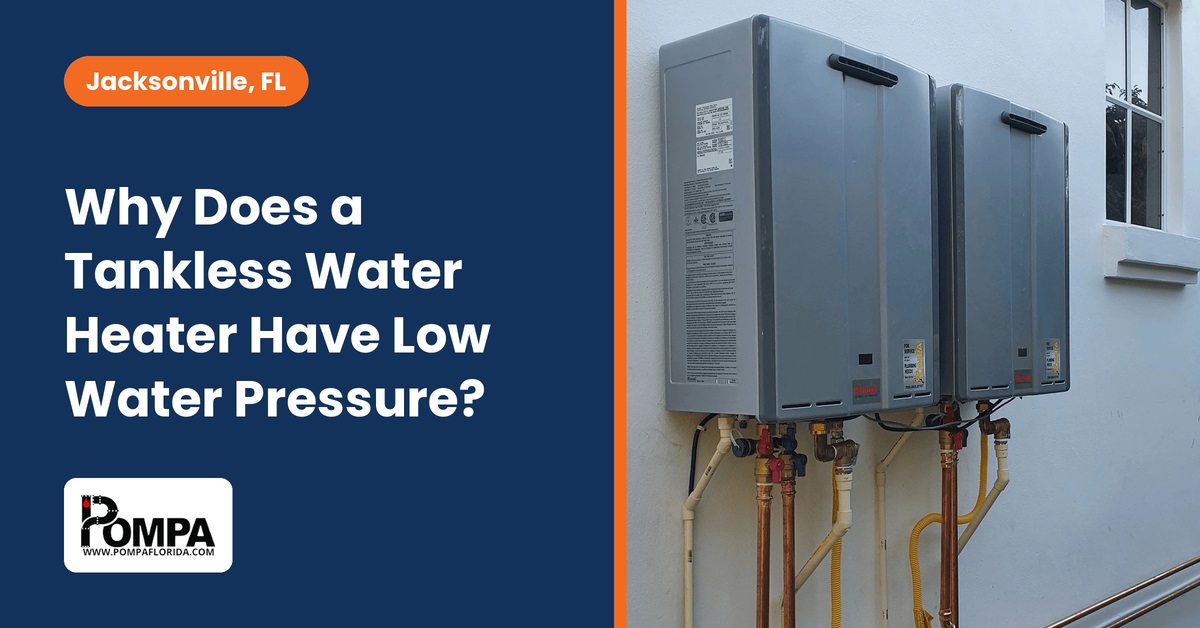
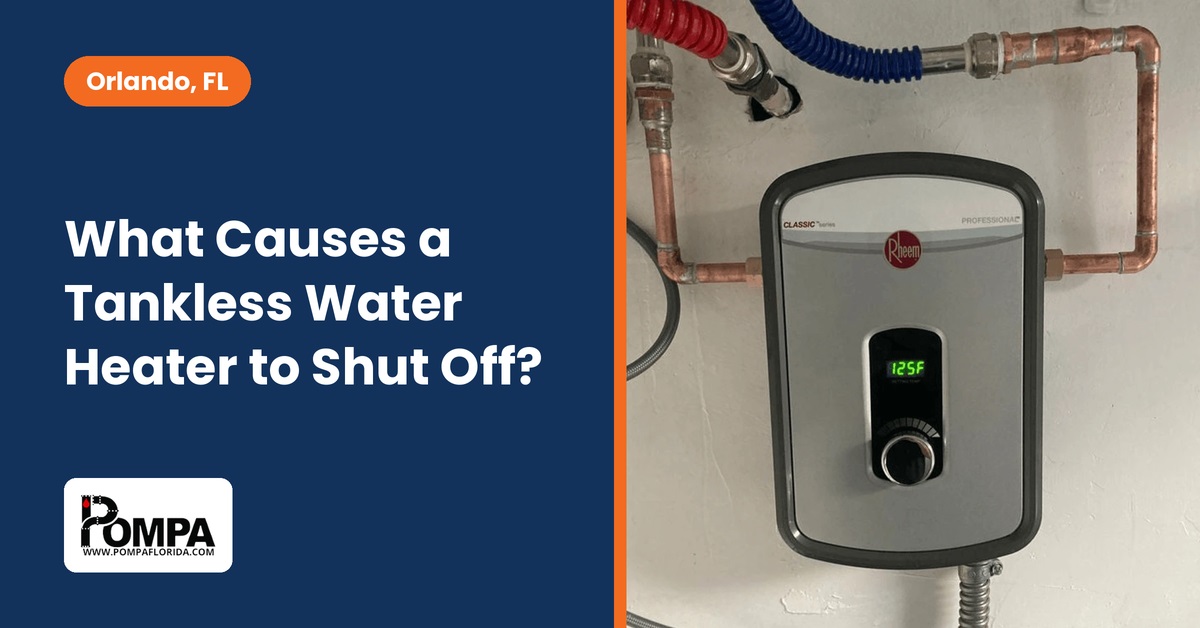
Tankless water heaters, meanwhile, heat water as it flows through the equipment. Rather than maintaining a large reservoir of hot water, they activate when a fixture calls for it. This arrangement can reduce standby energy losses and provide extended hot water delivery, provided the unit is properly sized for simultaneous demand. However, switching from a tank to a tankless system may require electrical, gas, venting, or plumbing modifications. Electric tankless models, in particular, can have substantial electrical requirements.
For homeowners considering water heater replacement in Miramar or nearby communities, the most appropriate option depends on available utilities, household demand, installation space, and budget. Tankless systems are not automatically the best solution for every property, and their total installation costs should be evaluated before making the switch.
Water heater capacity is another important consideration during replacement. Installing a unit that is too small can result in frequent shortages, particularly when multiple showers, appliances, or faucets operate close together. Conversely, purchasing substantially more capacity than your household needs may increase equipment costs and, depending on the technology, energy consumption.
For storage water heaters, capacity is commonly described in gallons. However, the first-hour rating, which indicates how much hot water a unit can deliver during an hour of heavy demand, is also important. Tankless systems are generally sized according to flow rate, measured in gallons per minute, along with the required temperature increase.
When selecting a system, consider:
Household size: How many people regularly use hot water?
Peak demand: Are several showers or appliances typically running at once?
Bathroom fixtures: Do you have large soaking tubs, multiple showerheads, or high-flow fixtures?
Appliance usage: How frequently do dishwashers and washing machines operate?
Future changes: Are you renovating bathrooms or expecting additional household occupants?
For new water heater installation, a professional can evaluate these factors and recommend equipment that meets actual demand rather than relying on tank capacity alone. The U.S. Department of Energy’s water heating resources also explain the differences between water heating technologies and their operating characteristics.
Installing a replacement water heater involves more than disconnecting the old equipment and connecting a new unit. The installer must evaluate existing plumbing connections, electrical or gas service, available clearances, drainage provisions, and applicable safety requirements. Even when the replacement equipment is similar to the original, older installations may need modifications to meet current standards.
For homeowners arranging water heater installation in Plantation, FL, or surrounding communities, accessibility is another consideration. Units installed inside narrow closets, elevated platforms, or confined utility spaces may require additional labor. If the replacement water heater is larger than the previous model, measurements should be confirmed before ordering.
Additionally, local permitting and inspection requirements need to be addressed. In Florida, water heater replacement is generally subject to applicable plumbing and building requirements, although procedures differ by municipality and project scope. The City of Fort Lauderdale’s permitting department, for example, identifies water heater changeouts within its plumbing permitting process. Homeowners should confirm requirements with their local building department and qualified installer before work begins.
The cost of replacing a water heater varies considerably between homes. A straightforward electric tank replacement using existing connections may involve less labor than converting a conventional system to gas tankless equipment or upgrading an electrical circuit. As a result, advertised equipment prices rarely reflect every expense associated with a completed installation.
Several factors can influence the final price and project timeline:
Water heater type: Conventional tank, tankless, gas, electric, and hybrid systems have different equipment and installation requirements.
Capacity and efficiency: Larger units and higher-efficiency technologies may have higher initial costs.
Existing connections: Aging valves, incompatible fittings, or electrical limitations can require additional work.
Installation location: Tight spaces, upper floors, and difficult access can increase labor requirements.
Permits and inspections: Applicable municipal requirements may affect scheduling and project expenses.
Equipment removal: Removing and disposing of the old water heater should be included in the estimate.
Emergency service: Urgent replacement needs may limit equipment choices or involve additional service charges.
For homeowners seeking water heater installation in Davie, FL, or comparing contractors throughout Broward County, requesting an itemized estimate is particularly helpful. It should identify the proposed equipment, necessary modifications, labor, permit responsibilities, and what is included in the completed installation.
A water heater’s purchase price is only one part of its overall cost. Energy consumption over the equipment’s operating life can make efficiency an important consideration, especially in households with frequent hot water usage.
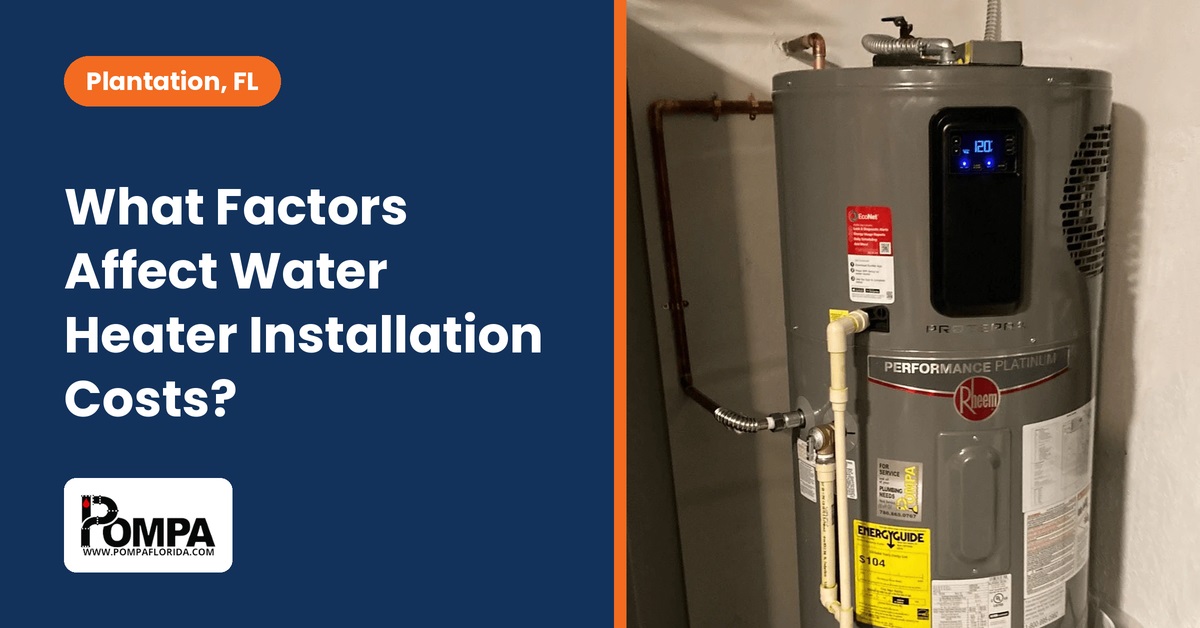
One option worth evaluating is a hybrid water heater, also known as a heat pump water heater. Rather than generating all its heat directly through electrical resistance, this technology transfers heat from surrounding air into the stored water. According to ENERGY STAR’s guidance on heat pump water heaters, properly selected systems can use substantially less electricity than conventional electric resistance models.
South Florida’s generally warm temperatures can be favorable for heat pump operation, particularly in suitable utility rooms and garages. However, these systems require adequate airflow, appropriate drainage for condensate, and sufficient installation space. Before upgrading, compare efficiency ratings, expected household consumption, installation costs, and any available utility incentives. Savings vary based on electricity rates, usage patterns, equipment selection, and installation conditions.
Once you have selected a replacement system, a few practical steps can help the installation proceed more smoothly. Most importantly, confirm that the contractor has evaluated the installation area and identified any necessary upgrades before the appointment. Unexpected problems with existing connections or insufficient space can cause avoidable delays.
Before installation day, homeowners should:
Clear boxes, furniture, and stored belongings from the water heater area.
Provide unobstructed access to the equipment and relevant utility connections.
Confirm whether permits or inspections are required and who is responsible.
Ask whether removal and disposal of the existing water heater are included.
Confirm the expected interruption to hot water service.
Secure pets and keep children away from the work area.
Review the proposed installation details and any outstanding questions.
During a typical replacement, the installer shuts off the relevant utilities, drains and disconnects the old unit, installs the replacement, and tests the connections and operating components. After installation, ask for an explanation of the temperature controls, maintenance recommendations, and any documentation associated with the equipment.
Some water heater concerns can be identified through basic observation, such as checking the displayed error message or noticing whether multiple fixtures have lost hot water. However, homeowners should avoid attempting repairs involving gas piping, electrical components, pressurized tanks, or safety devices without the appropriate training.
Contact a qualified professional when you discover an active leak, repeated circuit breaker trips, visible wiring damage, suspected gas-related problems, or unexplained overheating. If you smell gas, leave the area immediately and contact your gas utility or emergency services from a safe location. Do not operate electrical switches or attempt to restart the equipment.
Professional assistance is also advisable whenever a replacement requires changes to existing utilities or code-related installation components. Choosing a qualified provider for water heater installation can help ensure the equipment is properly selected, safely connected, and tested before returning to service.
Replacing an aging water heater is an opportunity to establish better maintenance habits. Even new equipment can develop problems when sediment accumulates, connections deteriorate, or manufacturer-recommended service is neglected. Consistent maintenance can help identify developing issues before they interrupt household hot water.
Maintenance requirements differ by system type. Conventional storage tanks may require periodic inspections, sediment management, and evaluation of corrosion-protection components. Tankless systems may require descaling and filter cleaning, particularly where mineral deposits accumulate. Hybrid systems also have airflow and condensate maintenance considerations.
Homeowners can benefit from reviewing the manufacturer’s maintenance schedule and arranging routine water heater maintenance when appropriate. Keeping service records also provides useful information if performance changes or a future repair becomes necessary.
Water heater replacement should be based on the condition of the existing system, the needs of your household, and the practical requirements of your property. Replacing a water heater too early can create unnecessary expenses, while postponing replacement of a deteriorating unit may increase the risk of water damage or unexpected service interruptions.
Whether you are searching for water heater installation near me, comparing tank and tankless equipment, or planning to replace a water heater in Florida, begin with an accurate assessment of your current system. Understanding equipment choices, installation requirements, energy efficiency, and expected costs makes the decision easier.
Pompa Plumbing provides water heater services for Broward County homeowners, including installation, replacement, repair, and maintenance. Homeowners in Fort Lauderdale, Plantation, Miramar, Davie, and neighboring communities can explore available services and discuss their equipment needs before moving forward with a replacement.