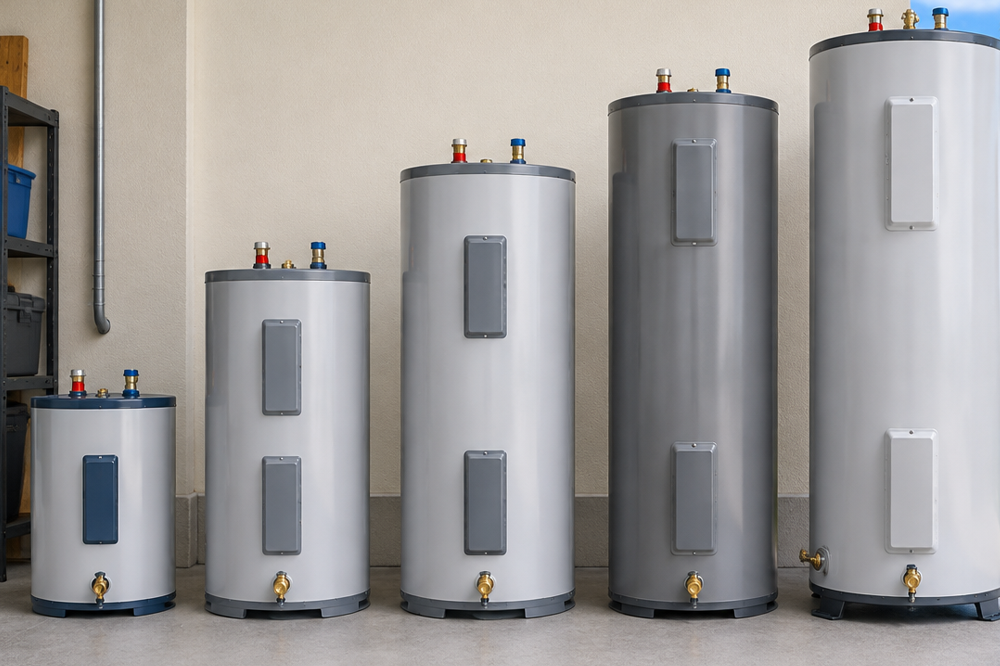

If you’re replacing a water heater in Jacksonville, or planning one for a new build, you’ve probably realized pretty quickly that “water heater” isn’t really one product, it’s a category with a few genuinely different options underneath it. Picking the wrong type for your household usually doesn’t show up as a disaster right away, it just quietly costs more or performs worse than it should for years. Here’s a straightforward breakdown of the main types, so you can actually make an informed call.
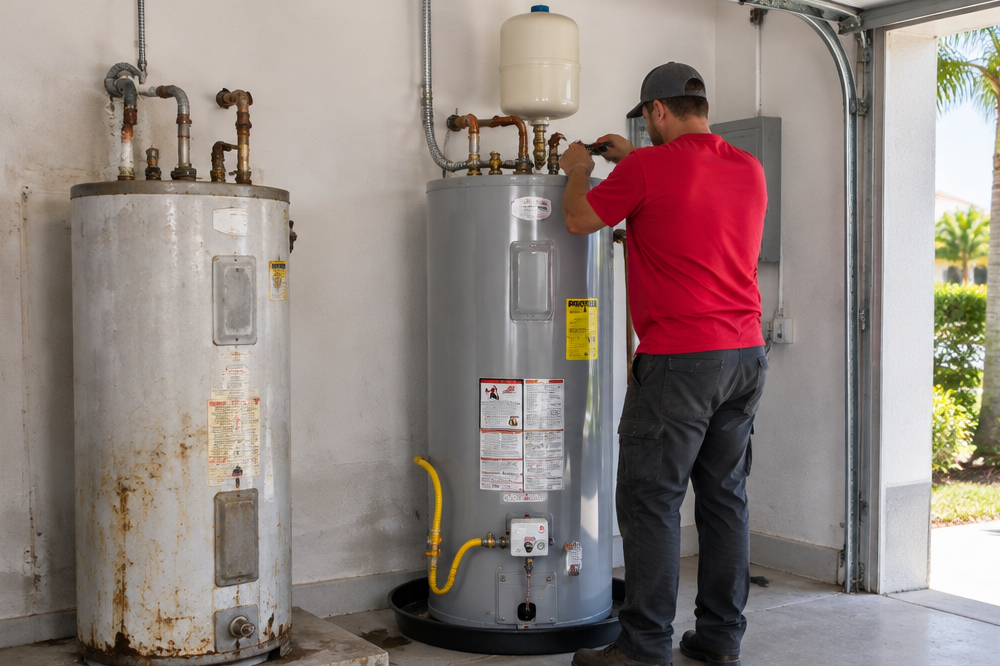
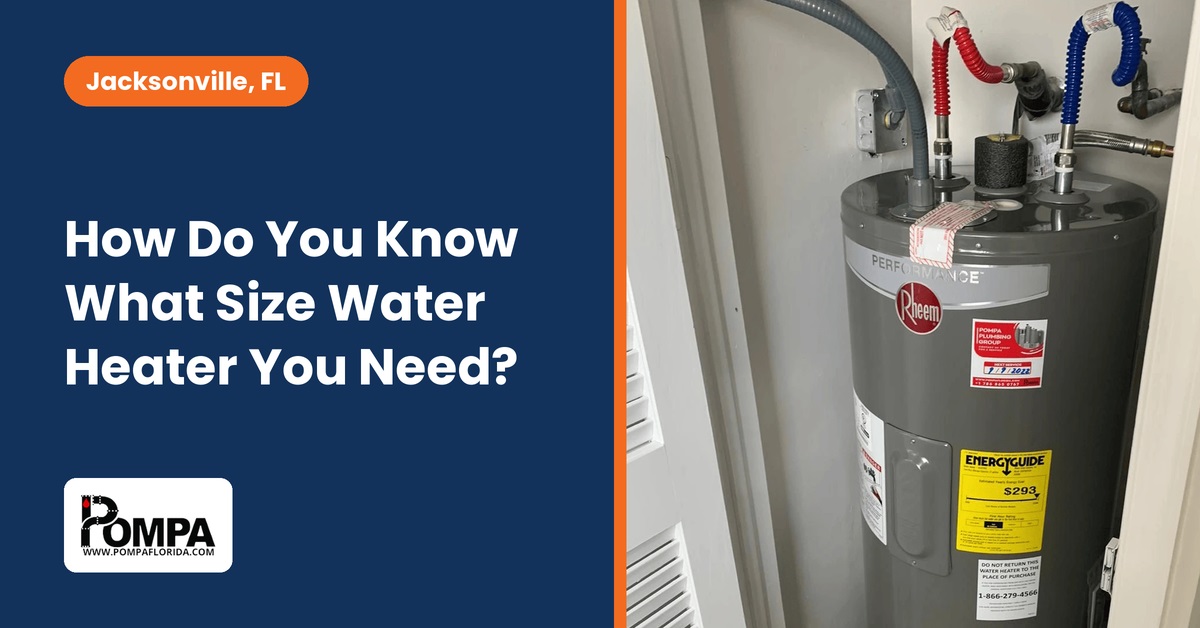
This is the type most people picture when they think “water heater,” a large insulated tank, usually 40 to 80 gallons, that heats and stores water continuously so it’s ready when you need it.
What makes tank units appealing:
Where they fall short:
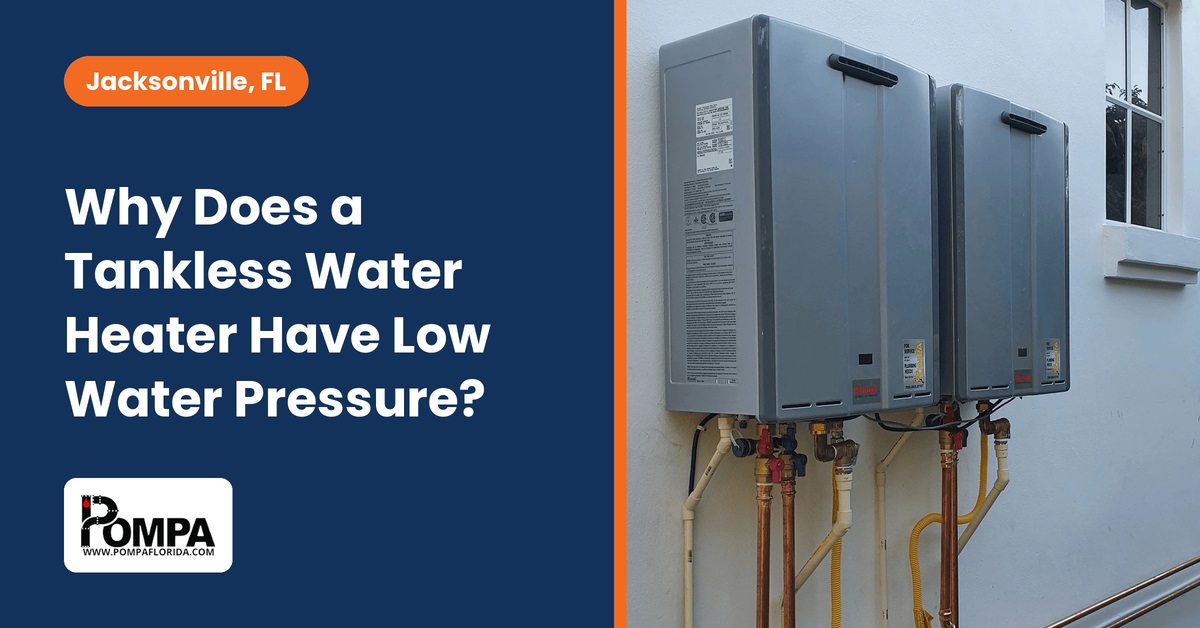
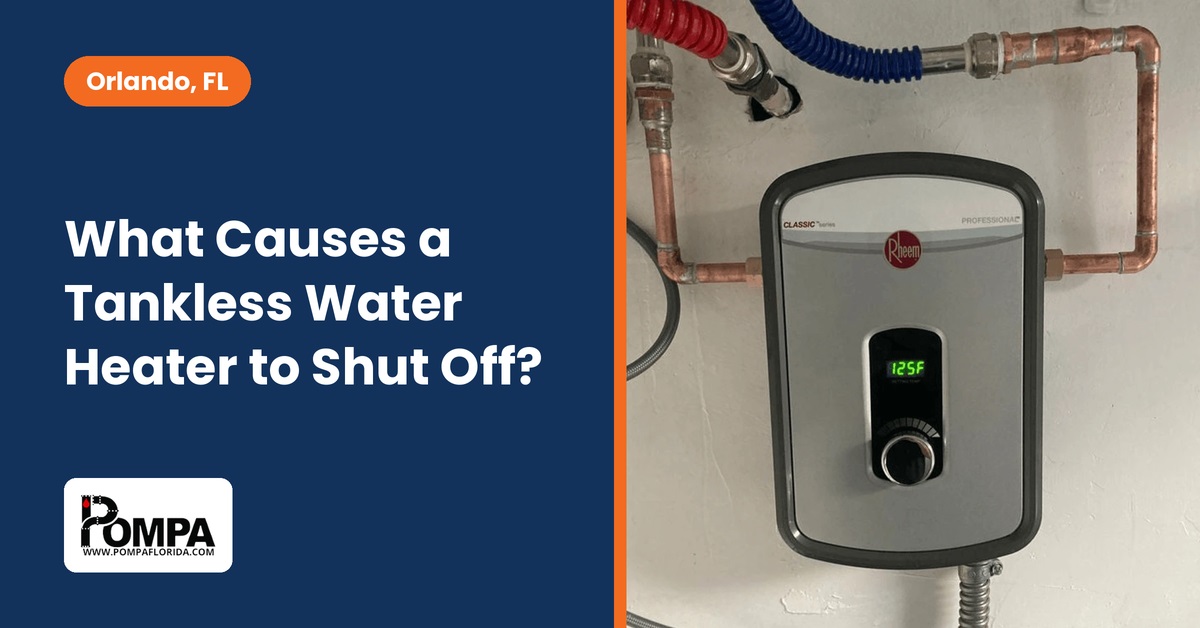
Tankless units skip the storage tank entirely, heating water directly as it flows through the unit. That fundamental difference changes a lot about how the system performs day to day.
What makes tankless appealing:
Where they fall short:
This is the option a lot of homeowners haven’t fully considered, and it works a bit differently than either tank or tankless. Heat pump water heaters pull heat from the surrounding air and use it to heat water, rather than generating heat directly through a burner or heating element.
What makes heat pump units appealing:
Where they fall short:
Beyond the tank, tankless, or heat pump decision, there’s also the gas versus electric question, and this often comes down to what’s already available at the property.
Gas water heaters generally heat water faster and tend to have lower operating costs where gas prices are favorable, but they need a gas line and proper venting. Electric units are simpler to install if a gas line isn’t already present, and heat pump systems specifically run on electricity, which is worth factoring in if efficiency is the priority.
A few questions help narrow this down:
For a lot of Jacksonville households, the decision often comes down to weighing tankless against a heat pump system, both offer strong efficiency, just through different mechanisms, while a standard tank remains the simpler, lower-cost option for straightforward replacements.
There’s no single best water heater type across the board, the right choice depends on household size, budget, existing utility setup, and how much you’re prioritizing long-term efficiency versus upfront cost. Tank units remain a reasonable, affordable option for many homes, while tankless and heat pump systems offer real efficiency and lifespan advantages for households ready to invest a bit more upfront. Pompa Plumbing Group can walk through the specifics of your home to help figure out which type actually makes sense, rather than guessing based on what a neighbor installed.
The three main types are conventional tank, tankless (on-demand), and heat pump water heaters, each with different efficiency and cost profiles.
Heat pump water heaters are generally the most energy efficient, followed closely by tankless units, both outperforming standard tank models.
Sizing depends on household size and hot water demand, tank units are sized by gallon capacity while tankless units are sized by flow rate.
Gas units typically heat water faster and cost less to operate where gas prices are favorable, while electric units are simpler to install without a gas line.