
Your water heater is one of the hardest-working appliances in your Orlando home. From morning showers and washing dishes to laundry and daily cleaning, it provides the hot water your household depends on throughout the year. However, many homeowners do not think about their water heater until they notice inconsistent temperatures, unusual noises, rising energy bills, or a sudden loss of hot water. By that point, a minor maintenance issue may have developed into a more expensive repair or even a complete system replacement.
Orlando homeowners face several factors that can affect water heater performance, including mineral deposits in the water supply, high humidity, and year-round household demand. Whether you have a traditional electric water heater, a gas-powered tank system, or a modern tankless unit, routine maintenance can help improve efficiency, reduce the likelihood of unexpected breakdowns, and extend the useful life of your equipment.
In this guide, we will cover the most important water heater maintenance tips for Orlando residents, including what you can do yourself, when to schedule professional service, and how to recognize signs that your system may need repairs.
Orlando homeowners should visually inspect their water heaters regularly, check for leaks and corrosion, maintain appropriate temperature settings, and schedule professional maintenance approximately once a year. Tank-style water heaters also benefit from periodic flushing, anode rod inspections, and safety valve checks, while tankless systems may require descaling and filter cleaning.
The exact maintenance schedule depends on your water heater type, manufacturer recommendations, water quality, and household usage. Working with a professional water heater maintenance company in Orlando can help you establish the right maintenance routine for your specific system.
Mineral buildup is one of the most common reasons water heaters lose efficiency over time. Water naturally contains dissolved minerals such as calcium and magnesium. As water is heated inside a traditional storage tank, some of these minerals can settle at the bottom, gradually forming a layer of sediment.
This buildup can interfere with heat transfer, reduce the amount of usable hot water, and cause the system to work harder than necessary. In some cases, homeowners notice popping, rumbling, or crackling sounds coming from the tank as water heats beneath accumulated sediment.
Periodic water heater flushing helps remove loose sediment before it becomes a larger problem. Many households benefit from annual flushing, while homes with significant mineral buildup may need more frequent service.
Signs that your water heater may need flushing include:
Popping or rumbling noises coming from the tank.
Hot water running out faster than usual.
Longer water heating times.
Discolored hot water or visible sediment.
A gradual increase in energy consumption without a corresponding change in usage.
If your water heater is older or has never been flushed, it is a good idea to have a professional inspect it first. An aging tank or deteriorated drain valve may require additional attention before maintenance can be performed safely.
One of the easiest ways to identify a developing water heater problem is to regularly inspect the unit and surrounding area. Small leaks can go unnoticed for weeks, especially when a water heater is located in a garage, utility closet, or another area that receives little daily attention.
Look for water collecting underneath the tank, moisture around pipe connections, rust-colored streaks, mineral deposits, or corrosion around fittings and valves. These signs may indicate a loose connection, deteriorating component, excessive pressure, or a more serious problem within the tank itself.
Orlando’s humid environment can also contribute to moisture around equipment, particularly in garages and other spaces without climate control. However, persistent moisture should never automatically be assumed to be condensation. Identifying the source of the water is important to prevent unnecessary damage.
Homeowners should pay particular attention to:
Water supply connections at the top of the unit.
The drain valve near the bottom of a storage tank.
The temperature and pressure relief valve and discharge pipe.
The base of the water heater and surrounding flooring.
A leak from a fitting or valve may be repairable, but a leak originating from the tank itself often means replacement is necessary. If you notice persistent moisture or corrosion, schedule a professional water heater repair before the problem worsens.
The anode rod is an important component found in many traditional tank water heaters. Although homeowners rarely see it, this metal rod helps protect the interior of the steel tank from corrosion. It works by gradually deteriorating in place of the tank’s metal surfaces.
Over time, the anode rod becomes worn and loses its ability to provide adequate protection. Once that protection decreases, the tank becomes more vulnerable to internal corrosion, which can eventually lead to leaks and premature water heater failure.
Water chemistry, temperature settings, household usage, and the age of the water heater all influence how quickly an anode rod deteriorates. Homes with higher mineral content in their water may require closer monitoring of this component.
The anode rod should be inspected according to the manufacturer’s recommendations, often every one to several years depending on the system. During professional maintenance, a technician can evaluate its condition and determine whether replacement is necessary.
Replacing a deteriorated anode rod when appropriate can help protect your water heater and potentially postpone the need for a more costly water heater replacement.
Your water heater’s temperature setting affects energy consumption, household comfort, and safety. Setting the temperature unnecessarily high can increase heat loss, raise utility costs, and increase the risk of accidental scalding.
For many residential households, approximately 120°F is a commonly recommended water heater temperature. However, the ideal setting can vary depending on your equipment, household needs, plumbing configuration, and manufacturer instructions.
Signs that your water heater temperature may require attention include:
Water that is unexpectedly hot or uncomfortable to use.
Frequent changes between hot and lukewarm water.
Hot water that runs out much faster than normal.
Water that never reaches the desired temperature.
If your system struggles to maintain a consistent temperature, adjusting the thermostat may not solve the underlying issue. A damaged heating element, malfunctioning thermostat, mineral buildup, or another component could be responsible.
Electric, gas, and tankless water heaters all have different temperature controls and service requirements. If you are unfamiliar with your particular system, have a qualified technician inspect and adjust it during your next water heater maintenance service.
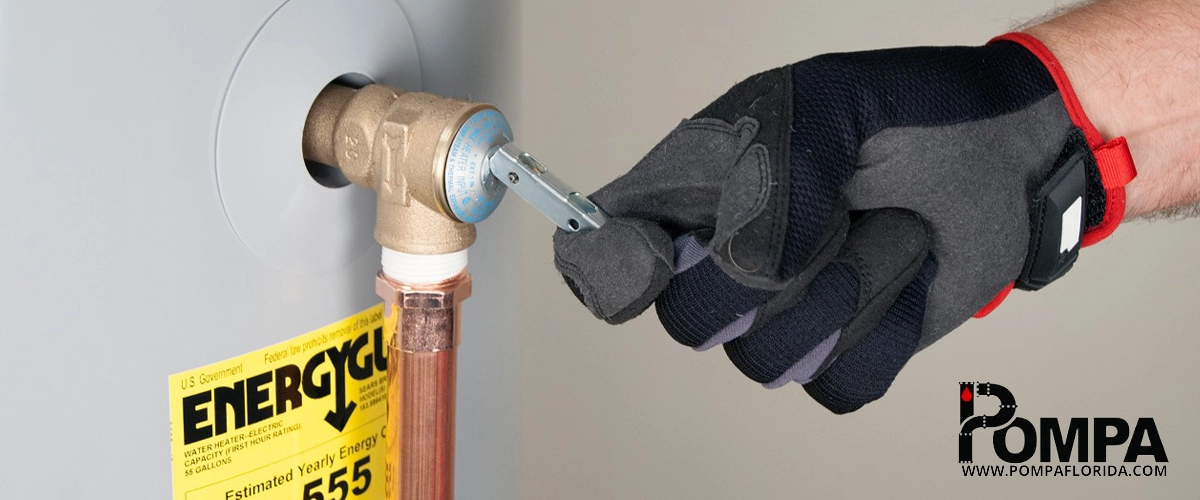
The temperature and pressure relief valve, often called the T&P valve, is a critical safety feature on traditional water heaters. It is designed to release water when temperature or pressure inside the tank exceeds safe operating conditions.
Without a properly functioning relief valve, excessive pressure can become a serious safety concern. That is why this component should be included in routine water heater inspections.
Homeowners can visually check the valve and its discharge pipe for corrosion, damage, mineral deposits, or ongoing dripping. Water continuously leaking from the discharge pipe may indicate a faulty valve, elevated water pressure, thermal expansion, or another issue requiring professional diagnosis.
Because testing the relief valve can release extremely hot water, homeowners should follow the manufacturer’s specific instructions or leave the inspection and testing to a qualified technician. Never plug or cap a leaking pressure relief valve, as doing so prevents it from performing its essential safety function.
During a professional maintenance appointment, the technician can inspect the valve, evaluate related pressure conditions, and recommend any necessary repairs.
Tankless water heaters do not store large quantities of hot water, but they still require routine maintenance. As water flows through the unit’s heat exchanger, dissolved minerals can accumulate on internal surfaces, creating scale buildup that affects heating performance.
Over time, excessive scale can restrict water flow, reduce efficiency, contribute to fluctuating temperatures, and cause the system to display error codes or shut down unexpectedly.
If you own a tankless water heater in Orlando, descaling should be an important part of your maintenance routine. Many manufacturers recommend annual servicing, although homes with harder water may require more frequent attention.
Common tankless water heater maintenance tasks include:
Descaling the heat exchanger using a manufacturer-approved solution.
Cleaning the cold-water inlet filter.
Inspecting accessible water connections for leaks.
Checking ventilation and air intake components on applicable gas systems.
Reviewing error codes and evaluating heating performance.
If your tankless system frequently shuts off or struggles to deliver consistent hot water, you may need more than routine cleaning. Pompa Plumbing provides specialized tankless water heater services in Orlando to help identify and address these issues.
While Orlando experiences warm weather throughout much of the year, water can still lose heat as it travels through your home’s plumbing system. This is particularly noticeable in larger homes or properties where hot water must travel a long distance from the heater to bathrooms, kitchens, or laundry rooms.
Insulating accessible hot water pipes can help reduce heat loss and keep water warmer between uses. It may also improve overall energy efficiency, particularly when combined with appropriate temperature settings and regular water heater maintenance.
Pipe insulation is generally a relatively simple improvement, but the materials must be suitable for the plumbing system and surrounding conditions. Special care is necessary around gas-powered water heaters, exhaust vents, electrical components, and other areas where heat or ventilation requirements apply.
Homeowners who experience long waits for hot water should also consider whether their plumbing layout, pipe length, or water circulation system contributes to the problem. Insulation reduces heat loss, but it does not eliminate the standing cold water inside a long pipe between uses.
A professional evaluation can help determine whether insulation, a recirculation system, or another plumbing improvement would be more beneficial for your home.
Many water heater problems develop gradually. A system may continue producing hot water while showing early warning signs that something is wrong.
Paying attention to changes in everyday performance can help you catch these issues before your water heater stops working completely. For example, a family that previously had enough hot water for several consecutive showers may begin running out after only one or two. Similarly, a tankless unit that once delivered consistent temperatures may begin fluctuating during normal use.
Some of the most common signs of a developing water heater problem include:
Reduced hot water capacity.
Water taking longer to heat.
Unusual noises or vibrations.
Rust-colored water from hot water faucets.
Unexplained increases in energy bills.
Frequent system shutdowns or error codes.
Water leaking around the heater.
These symptoms do not always mean your water heater needs replacement. Heating elements, thermostats, valves, filters, and other components can sometimes be repaired or replaced.
However, continuing to operate a system with persistent problems can lead to additional damage or more expensive repairs. Scheduling professional service when the first symptoms appear is often more practical than waiting for complete equipment failure.
Although homeowners can perform basic visual inspections and monitor system performance, professional maintenance provides a more detailed evaluation of the equipment.
A qualified water heater technician can assess components that are difficult to inspect without specialized tools or training. This is particularly important for systems involving gas connections, electrical wiring, high-temperature water, or pressurized components.
Depending on the type and condition of your water heater, a professional maintenance appointment may include:
Inspecting the tank or heat exchanger for signs of deterioration.
Flushing sediment or descaling internal components.
Checking the anode rod and safety valves.
Inspecting water connections and identifying leaks.
Evaluating thermostats, heating elements, or burner assemblies.
Checking the overall operation and heating performance of the system.
Regular servicing also allows homeowners to better understand the remaining useful life of their equipment. If your water heater is approaching the end of its expected lifespan, a technician can help you determine whether continued maintenance, repairs, or replacement makes the most financial sense.
For homeowners throughout Orlando, Pompa Plumbing offers professional water heater services for traditional tank, tankless, gas, electric, and hybrid systems.
Water heater maintenance schedules vary depending on the system, its age, and local water conditions. However, the following general schedule can help Orlando homeowners stay ahead of common issues.
Maintenance Task | Recommended Frequency |
|---|---|
Visual inspection for leaks and corrosion | Monthly |
Monitor hot water temperature and performance | Regularly |
Flush a traditional tank water heater | Typically every 6–12 months, as recommended |
Descale a tankless water heater | Typically annually or as recommended |
Inspect the anode rod | According to manufacturer guidance |
Inspect safety valves and connections | During routine maintenance |
Schedule professional water heater maintenance | Annually |
Always follow your water heater manufacturer’s specific maintenance instructions. A home with significant mineral buildup, heavy hot water usage, or aging equipment may benefit from more frequent professional attention.
Routine maintenance can help extend the lifespan of your water heater, but it cannot reverse every type of damage or prevent equipment from aging indefinitely.
Traditional tank water heaters commonly last approximately 8 to 12 years, while tankless systems can often last longer with appropriate maintenance. Actual lifespan varies based on water quality, installation, usage, and the condition of the equipment.
If your water heater frequently requires repairs, produces rusty water due to internal corrosion, or develops a leak from the tank itself, replacement may be a more practical long-term solution. An older system that no longer meets your household’s hot water demands may also be worth upgrading to a more efficient or appropriately sized model.
Pompa Plumbing can evaluate your existing equipment and help you determine whether water heater replacement or continued repairs are the better option for your Orlando home.
Taking care of your water heater does not have to be complicated. Regular inspections, periodic flushing, appropriate temperature settings, and professional maintenance can help your system operate reliably while reducing the risk of unexpected breakdowns.
At Pompa Plumbing, we specialize in water heater installation, repair, maintenance, flushing, and replacement throughout Orlando and the surrounding Central Florida area. Our experienced technicians work with traditional and tankless water heaters to identify developing problems, improve system performance, and recommend solutions based on the needs of your household.
Whether your water heater is due for routine maintenance or has started showing signs of trouble, our team is here to help.
Contact Pompa Plumbing today to schedule water heater maintenance in Orlando, FL, and keep your home’s hot water system running reliably throughout the year.