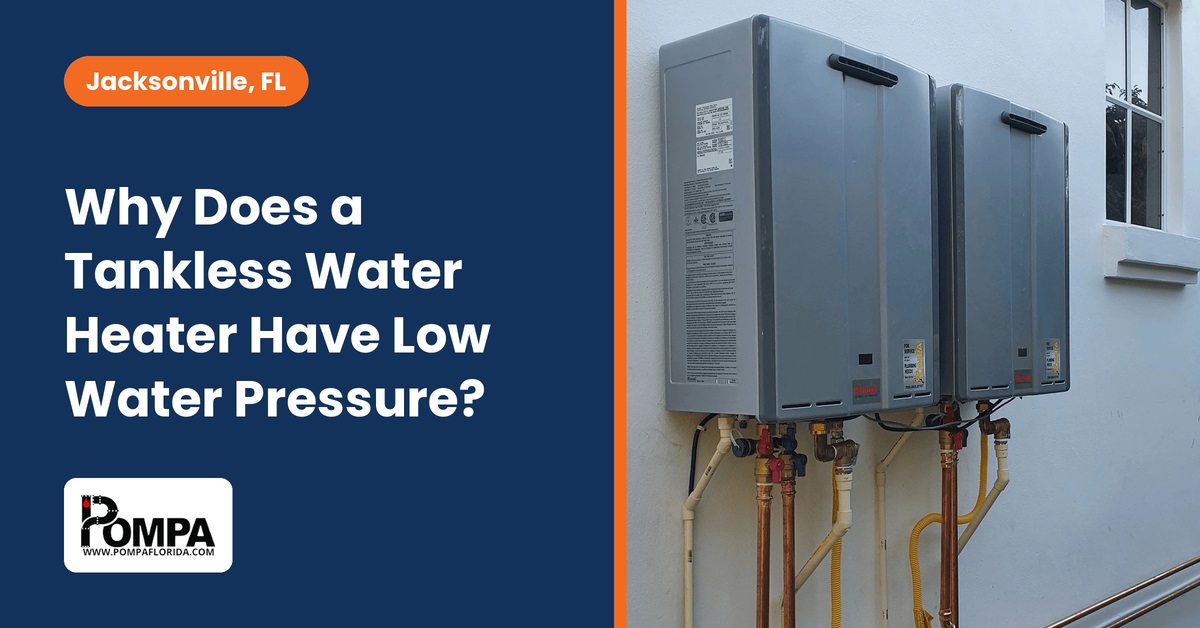

Replacing a water heater usually happens at the worst possible moment. The old one starts leaking in the garage on a Sunday, or the shower goes cold right before work, and suddenly you’re making a big decision fast. Knowing the water heater installation requirements Orlando homeowners run into before any of that happens saves a lot of stress, and usually a bit of money too.
None of it is complicated once you break it down, but a few details catch people off guard, mostly around permits, space, and what’s happening behind the wall. Here’s what’s worth sorting out first.
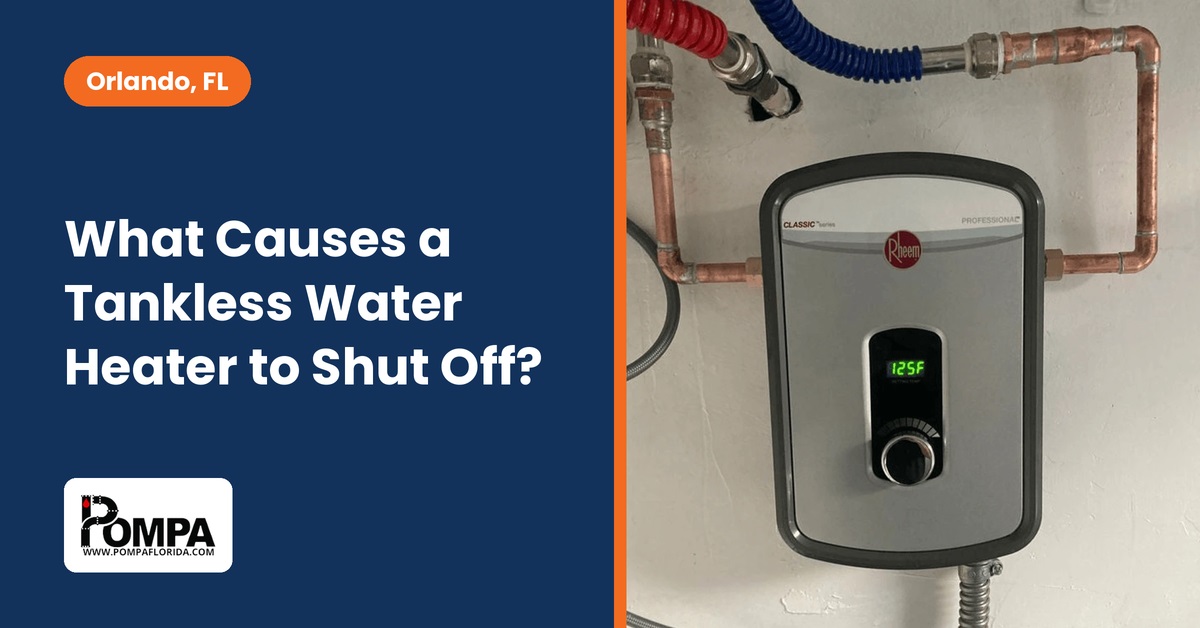
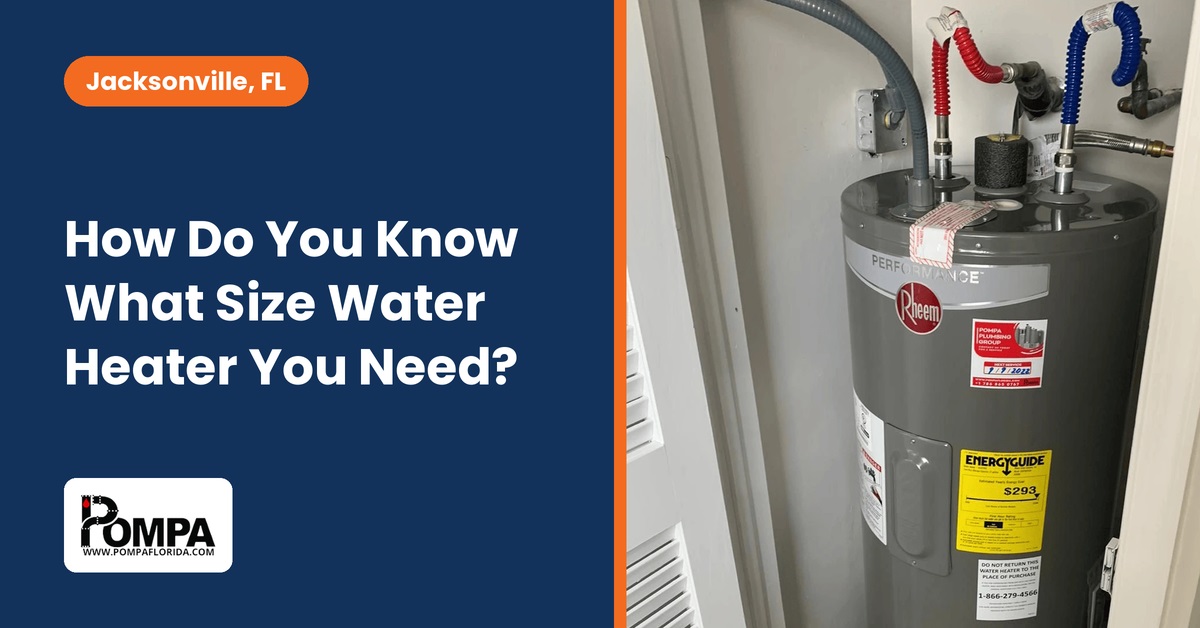
Before anything else, figure out which kind of unit fits the house and the people living in it. Size matters as much as type, since an undersized heater runs constantly and an oversized one just wastes energy.
Good installation preparation starts with the space itself. Installers need room to work, so clearing out storage boxes, paint cans, and whatever else has piled up around the unit saves time on the day. A few things to check:
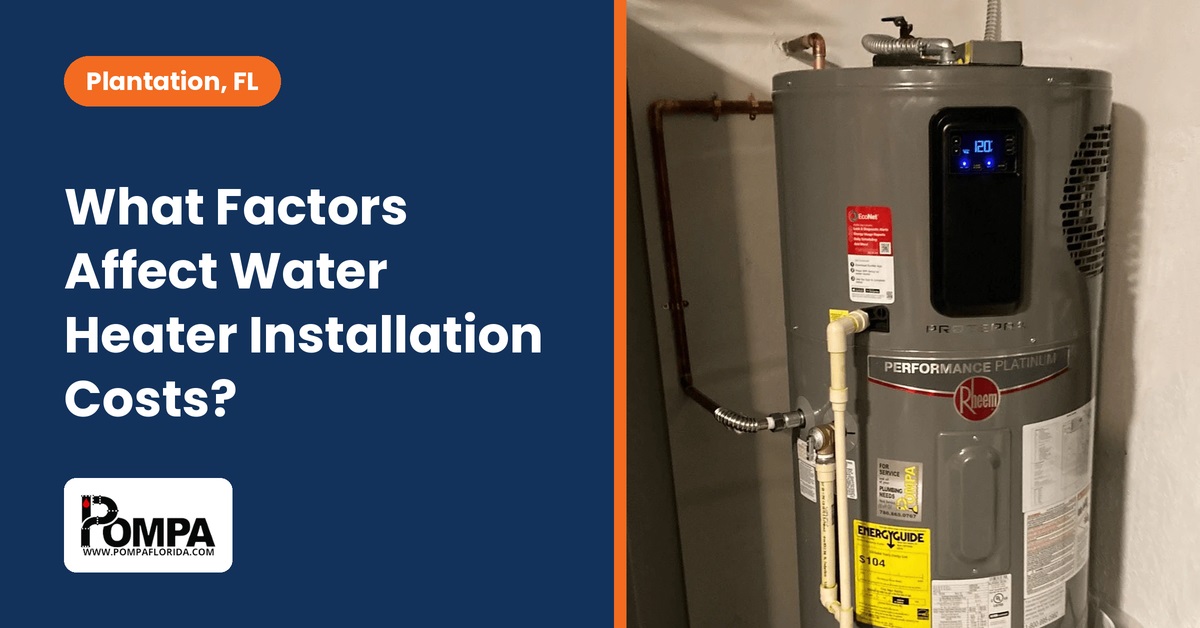
Attic installs are pretty common in Central Florida homes, and they add a layer of risk, because a leak up there can ruin a ceiling fast. If your heater is in the attic, mention it early so the installer plans for a proper pan and drain line.
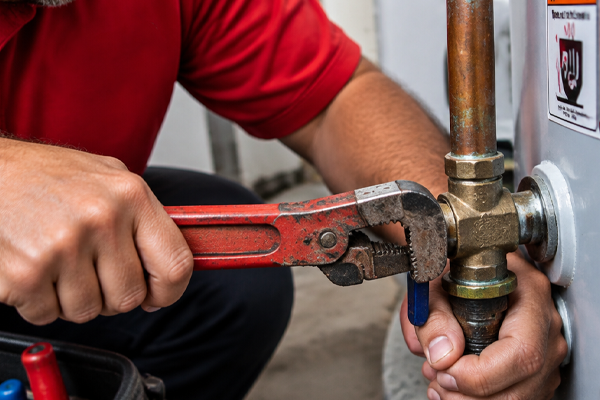
A typical water heater setup follows a predictable order:
Most tank swaps take a few hours. Tankless conversions run longer, since gas lines and venting sometimes need to be reworked first.
Closed plumbing systems often need an expansion tank as well, so it’s worth asking whether your home has one. Skipping it can put extra pressure on pipes and fittings over time.
This is the part people skip and then regret. Replacing a water heater generally requires a plumbing permit in Orlando, and the new unit has to meet current code. Those home plumbing requirements cover the relief valve, the discharge piping, a drain pan where needed, and an expansion tank in closed systems. Switching to tankless or a heat pump can add gas or electrical permits on top of that.
Fees are usually modest and approval often takes a few business days, though rules can differ by jurisdiction, so confirming with the local permitting office is smart. A licensed installer normally pulls the permit and handles the inspection, which also helps keep the manufacturer warranty intact.
Most water heater headaches come from rushed decisions, not from the installation itself. Match the unit to your household, clear the space, handle the permit properly, and the whole thing goes a lot smoother than people expect. For professional installation, explore our water heater installation Orlando service. The team at Pompa Plumbing Group can walk through your setup and tell you exactly what your home needs before anything gets ordered.
They cost more to install, often need gas line and venting upgrades, and require regular descaling, which leads to problems when maintenance gets skipped.
Tank models typically last 8 to 12 years here, while tankless units can reach 15 to 20 years with regular maintenance.
Match the type and size to your household, confirm your fuel source and available space, and budget for the permit and installation along with the unit.
Generally yes, including in Orlando, though the exact rules depend on your local jurisdiction, so confirm with your permitting office.