
A water heater can run quietly for years without getting much attention, which is exactly why maintenance is easy to overlook. For Florida homeowners, however, waiting until there is no hot water, a leaking tank, or rusty water coming from a faucet can turn a relatively manageable service visit into a more disruptive repair or replacement. Heat, humidity, mineral deposits, daily household demand, and the condition of the local water supply can all affect how a water heater performs over time.
Regular water heater maintenance in Florida is less about constantly working on the equipment and more about catching gradual problems before they become larger ones. A homeowner in Fort Lauderdale, Broward County, or Miami may notice sediment collecting in a tank, corrosion around fittings, inconsistent water temperatures, unusual noises, or moisture around the unit long before the water heater completely stops working. A basic maintenance routine gives you an opportunity to identify these warning signs and determine whether simple upkeep, professional service, repair, or eventual replacement makes the most sense.
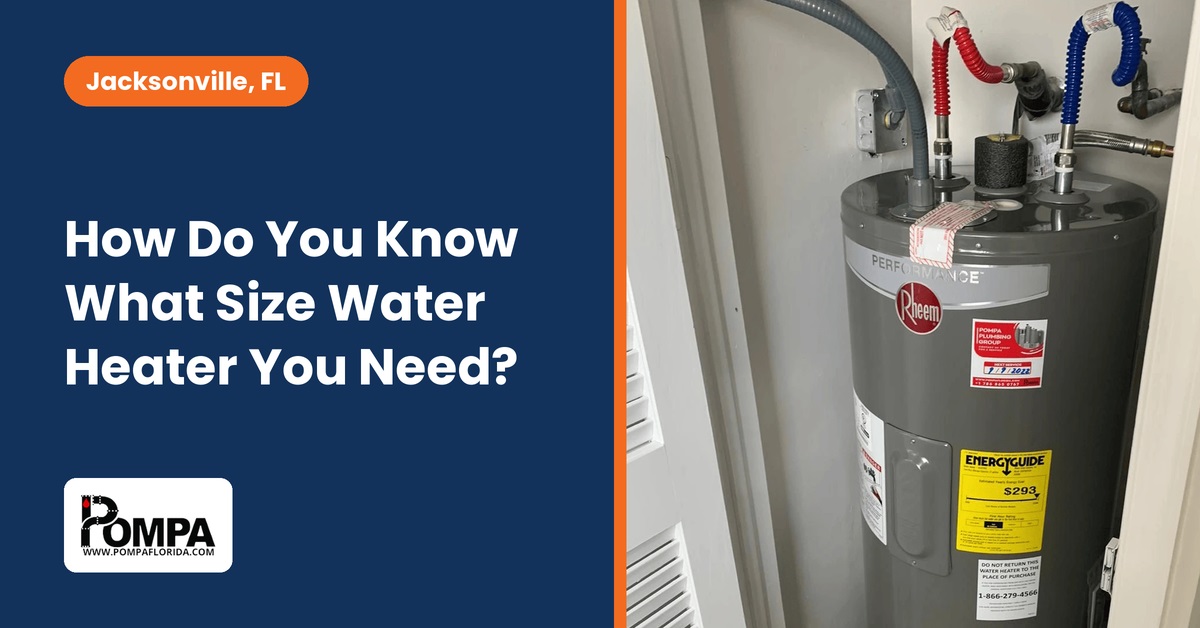
A practical water heater maintenance checklist should include a visual inspection at least annually, checking for leaks and corrosion, monitoring the hot water temperature, inspecting the temperature and pressure relief valve, evaluating the anode rod on tank-style systems, and periodically flushing accumulated sediment from the tank.
The exact maintenance schedule depends on the water heater type, manufacturer instructions, household water usage, water quality, age of the equipment, and condition of the system. Some checks can be performed visually by a homeowner, while draining a tank, servicing electrical or gas components, testing safety devices, or removing an anode rod may be better handled by a qualified plumbing professional.
A water heater inspection does not need to begin with taking the system apart. In many cases, some of the most useful information comes from simply examining how the unit looks and operates.
At least once a year, look around the tank, plumbing connections, valves, drain line, and surrounding floor. Pay attention to moisture, rust-colored marks, mineral deposits, damaged fittings, unusual noises, and changes in hot water performance. For water heaters installed in garages, closets, utility rooms, or other areas where they are rarely seen, this basic inspection can uncover problems that might otherwise go unnoticed.
A practical water heater maintenance checklist should include:
Checking underneath and around the unit for moisture
Inspecting visible plumbing connections for dripping or corrosion
Listening for unusual popping, rumbling, or crackling sounds
Checking whether hot water temperatures remain consistent
Looking at the drain valve for signs of leakage
Inspecting the temperature and pressure relief valve and discharge piping
Checking visible wiring, vents, or gas connections without attempting unsafe repairs
Reviewing the manufacturer’s maintenance recommendations for your particular model
Homeowners who would rather have the entire system evaluated can schedule professional water heater maintenance so the unit can be inspected based on its specific design and condition.
Sediment is one of the most common reasons tank water heaters need periodic maintenance. Minerals and other suspended material in the water can eventually settle at the bottom of the tank. The U.S. Environmental Protection Agency notes that hard water can cause scale to develop in water heaters and other plumbing equipment, potentially interfering with heat transfer and equipment performance.
Over time, sediment can contribute to noises from the tank, reduce usable capacity, interfere with heating performance, and make the system work differently than it did when it was new. That is why periodic water heater flushing is an important part of maintaining many traditional tank systems.
The proper flushing procedure depends on the water heater. It normally involves shutting down the appropriate power or fuel source, allowing the water to cool when necessary, connecting a suitable hose to the drain valve, and safely draining and flushing the tank. Manufacturer guidance should always take priority because procedures can vary.
Some manufacturer maintenance instructions recommend periodic draining and flushing specifically to remove accumulated sediment.
One important mistake to avoid is assuming that an older tank that has never been maintained should automatically be aggressively flushed. Heavily aged or deteriorated systems can have existing valve or tank problems that become apparent during service. When the condition of the unit is uncertain, having the system inspected first is usually the safer approach.
Inside many tank water heaters is a component called a sacrificial anode rod. Its purpose is to corrode preferentially, helping reduce corrosion of the steel tank itself.
Because the anode rod gradually deteriorates, inspecting it can provide useful information about the internal condition of the water heater. The rate at which it wears depends on factors such as water chemistry, temperature, usage, the type of anode installed, and the specific water heater.
Checking an anode rod is more involved than looking for a leak. The water heater must be safely shut down and depressurized, and adequate clearance is needed to remove the rod. Some installations also make access difficult because of shelving, low ceilings, plumbing, or where the heater was positioned.
If the rod is significantly consumed, replacement may help continue protecting a tank that is otherwise in serviceable condition. However, an anode rod should not be viewed as a way to restore a tank that is already badly corroded or leaking. Manufacturer documentation commonly includes anode inspection or replacement procedures as part of tank maintenance.
The temperature and pressure relief valve, commonly called the T&P valve, is an important safety component on a tank water heater. It is designed to relieve excessive temperature or pressure conditions inside the tank.
Some manufacturer maintenance guidance recommends manually operating the valve periodically, often annually, to verify that it moves and returns to its closed position. Because the discharged water can be extremely hot and improper testing can create a burn or water-damage risk, homeowners should follow their manufacturer’s exact instructions or have the valve inspected by a qualified professional.
A dripping relief valve should not simply be plugged, capped, or ignored. Persistent discharge can indicate a valve problem, elevated pressure, thermal expansion, temperature issues, or another condition requiring diagnosis.
The relief valve and discharge piping are safety components, so this is an area where improvising repairs is particularly risky.
An annual visual inspection is a sensible starting point for most homeowners, while flushing, anode inspection, and other maintenance should follow the water heater manufacturer's recommendations and account for water quality, usage, age, and system condition. Homes with noticeable sediment or scale may require more frequent attention.
There is no single flushing schedule that applies to every Florida home. Water quality, mineral content, household demand, tank design, and manufacturer recommendations all matter. Some manufacturers recommend periodic flushing specifically to prevent excessive sediment accumulation.
Common warning signs include unusual popping or rumbling, inconsistent hot-water temperatures, reduced hot-water capacity, rust around plumbing connections, mineral deposits, dripping valves, or moisture around the unit.
Small water heater leaks often leave clues before they become major problems. Look closely at pipe connections, shutoff valves, the relief valve, drain valve, fittings, and the area around the bottom of the tank.
White or crusty deposits around connections can indicate slow seepage or mineral accumulation. Green or blue-green discoloration may appear around certain copper components, while reddish-brown staining can indicate rust or corrosion. Moisture underneath a tank requires particular attention because it can originate from nearby plumbing, condensation, a valve, or the tank itself.
Not every leak means the water heater needs to be replaced. A leaking connection or serviceable component may be repairable. A tank leaking from the tank body itself, however, is a different situation. A plumber can determine whether water heater repair is reasonable or whether water heater replacement should be considered.
Catching moisture early is particularly important when the water heater sits near drywall, cabinetry, flooring, stored belongings, or finished living space.
Changes in water temperature can reveal developing water heater problems even when there is no visible leak.
If the water is suddenly much hotter, takes longer to heat, runs cold more quickly than usual, or constantly fluctuates between hot and lukewarm, the system may need inspection. Potential causes vary depending on whether the unit is electric, gas, hybrid, tankless, or conventional tank-style equipment.
The U.S. Consumer Product Safety Commission recommends setting residential water heaters to approximately 120°F to help reduce the risk of tap-water scalding. ENERGY STAR also identifies 120°F or lower as an energy-conscious thermostat setting in its consumer efficiency guidance.
Individual situations can differ, however. Equipment specifications, plumbing design, health considerations, appliances, and manufacturer recommendations should all be considered. If you are unsure how to safely adjust the temperature on your unit, leave the adjustment to a qualified technician.
Water conditions vary throughout Florida and even between neighboring utility systems. Mineral content is important because calcium and magnesium contribute to water hardness, while scale can accumulate inside plumbing and water-heating equipment.
EPA guidance explains that scale caused by hard water can form in water heaters and reduce heat conductivity. Broward County environmental information also documents varying levels of hardness in local groundwater, reinforcing why actual water conditions can differ significantly from one property or water source to another.
That does not mean every Florida water heater requires the same flushing interval. Instead, homeowners should consider their local water supply, visible scale throughout the home, manufacturer recommendations, previous maintenance history, and how much hot water the household uses.
Miami-Dade homeowners can also review the county’s published drinking-water quality reports for current information about the municipal supply. Miami-Dade Water Quality Reports
For homeowners looking for water heater maintenance in Fort Lauderdale or water heater service in Broward County, one of the most useful habits is paying attention to changes rather than waiting for complete equipment failure.
For example, a tank that has become increasingly noisy may have accumulated sediment. Rust around a connection may indicate a slow leak. A household that suddenly cannot get through the same number of showers may be experiencing a heating-element, thermostat, sediment, dip-tube, or equipment-capacity issue.
Maintenance is most effective when those changes are investigated early. Waiting until water appears underneath the heater or the unit produces no hot water at all usually leaves fewer options.
The same approach applies to water heater maintenance in Miami and other South Florida communities. The maintenance schedule should be based on the equipment and water conditions at the property rather than a one-size-fits-all timetable.
The amount of work involved in a water heater tune-up can vary considerably. A routine inspection of a relatively new, accessible system is different from servicing an older unit with substantial sediment accumulation, corrosion, restricted access, or malfunctioning components.
Factors that can increase or decrease the cost, complexity, or time involved include:
Type and age of the water heater
Tank, tankless, or hybrid design
Existing sediment or scale accumulation
Condition of valves and plumbing connections
Accessibility of the equipment
Condition of the anode rod
Existing corrosion or leakage
Electrical, gas, venting, or drainage issues
Replacement parts needed
Whether repair is discovered during maintenance
Manufacturer-specific service requirements
Urgency of the service
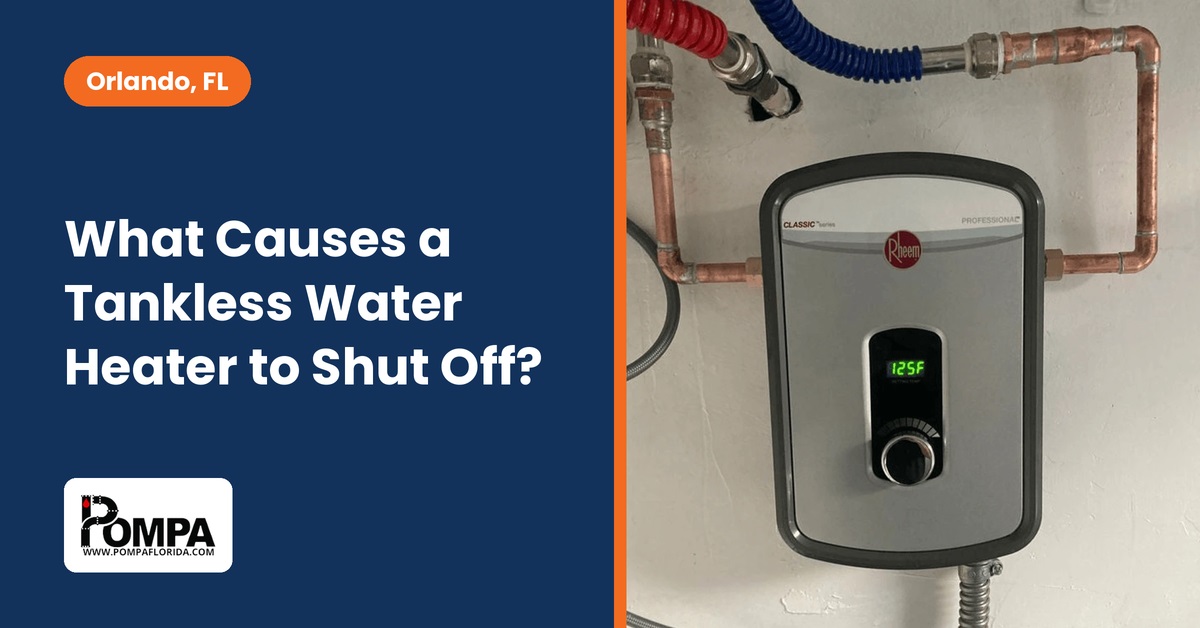
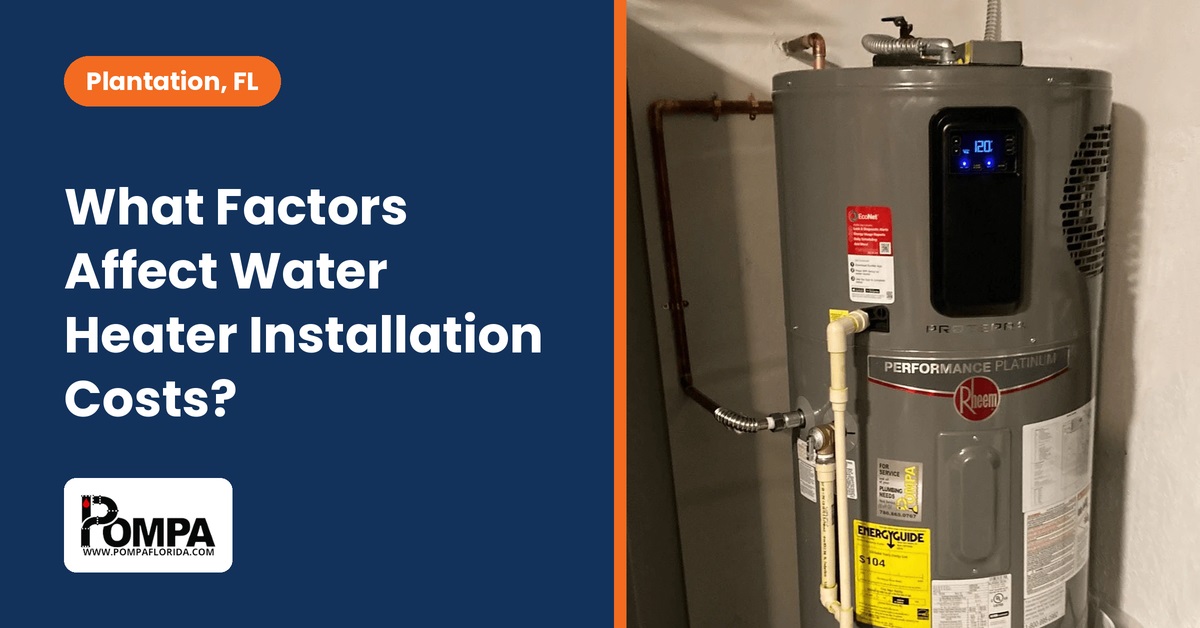
Maintenance requirements also differ by technology. A tankless water heater does not have a storage tank or sacrificial anode rod like many traditional systems, while hybrid water heaters incorporate heat-pump equipment that introduces different maintenance considerations.
Some basic monitoring is easy for homeowners: inspect for water, listen for unusual sounds, watch for rust, and pay attention to changes in temperature or hot-water capacity.
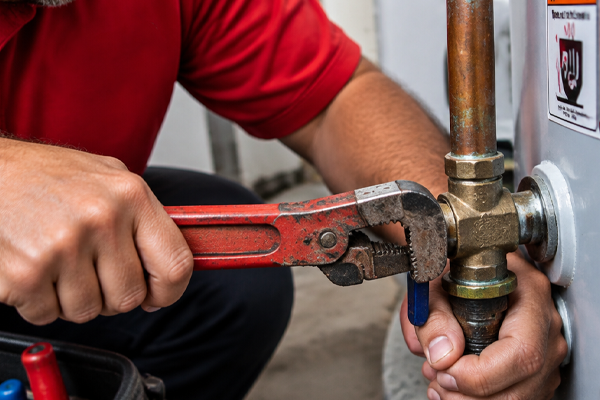
Professional service makes more sense when maintenance requires opening the system, working around electricity or gas, depressurizing the tank, removing an anode rod, diagnosing repeated relief-valve discharge, or determining the source of a leak.
Contact a qualified professional if you notice:
Water collecting beneath the heater
Active tank or connection leaks
Significant corrosion
A relief valve that leaks or will not reseal
Burning smells or electrical problems
Gas odors
Venting concerns
Repeated loss of hot water
Unusually hot water
Persistent loud popping or rumbling
A system whose condition or maintenance history is unknown
If you are searching for a “water heater tune up near me,” ask what the service actually includes. An inspection, flush, anode evaluation, safety-valve check, temperature check, and component inspection are different tasks, and not every maintenance visit necessarily requires all of them.
Maintenance cannot prevent every water heater problem, and it cannot reverse a tank that has already deteriorated. What it can do is give homeowners a clearer picture of the system’s condition before a failure makes the decision for them.
A technician who finds a healthy tank, manageable sediment, serviceable valves, and no meaningful corrosion may recommend continued maintenance. Conversely, extensive deterioration, repeated repairs, leakage from the tank itself, or other significant problems may make continued spending on maintenance less practical.
If replacement eventually becomes necessary, the decision can then include the household’s hot-water demand, available space, energy source, and whether a conventional tank, tankless, or hybrid system fits the property. Homeowners comparing options can review professional water heater installation services before choosing equipment.
For most Florida homeowners, the goal is straightforward: know where the water heater is, check it periodically, understand what normal operation looks like, and investigate changes before they become emergencies.
A useful routine is to visually inspect the unit throughout the year and plan a more detailed water heater inspection based on the manufacturer’s recommendations and the system’s condition. Pay particular attention to sediment, leaks, corrosion, temperature changes, relief-valve operation, and the condition of the anode rod on applicable tank systems.
Maintenance frequency does not need to be identical for every home. A newer system with favorable water conditions and light use may have different needs from an older tank serving a large household with significant mineral buildup. The manufacturer’s manual and an inspection by a qualified professional are the best places to establish the appropriate schedule for your specific water heater.
For homeowners throughout South Florida who want their equipment evaluated rather than waiting for a problem to develop, professional water heater service near you can help determine whether the system needs routine maintenance, flushing, repair, or further evaluation.