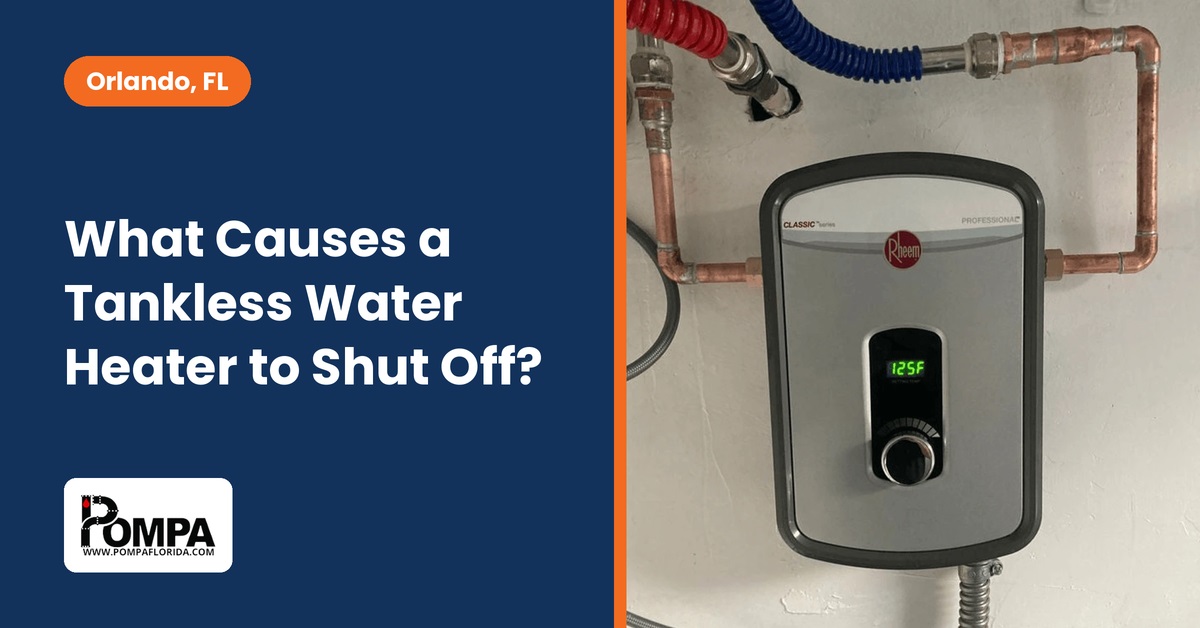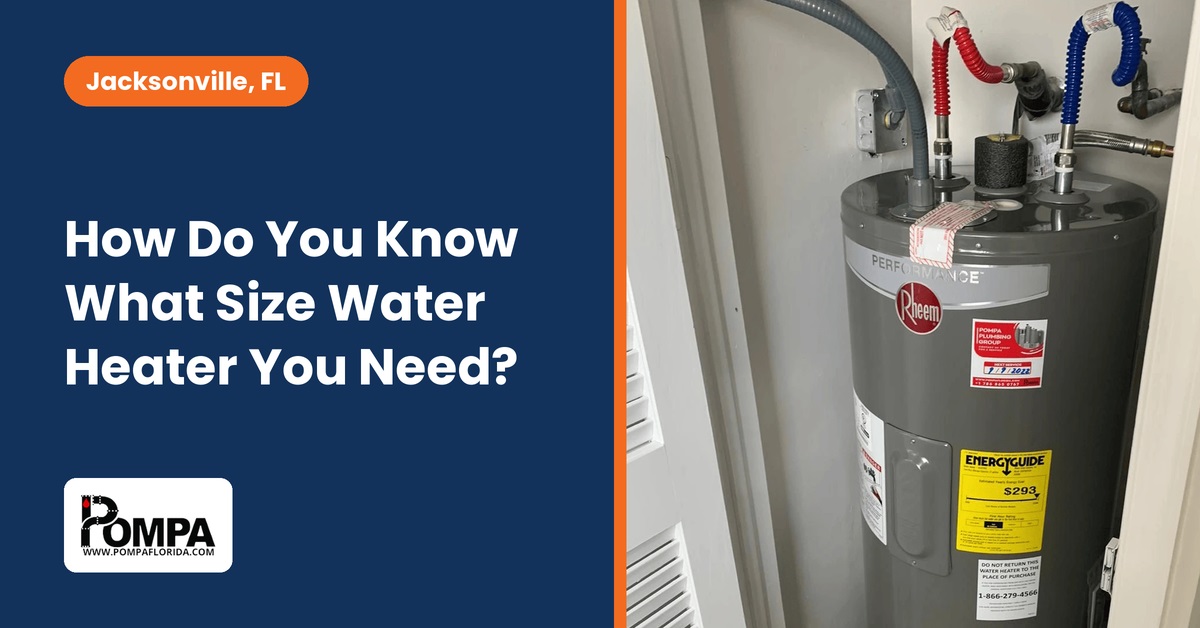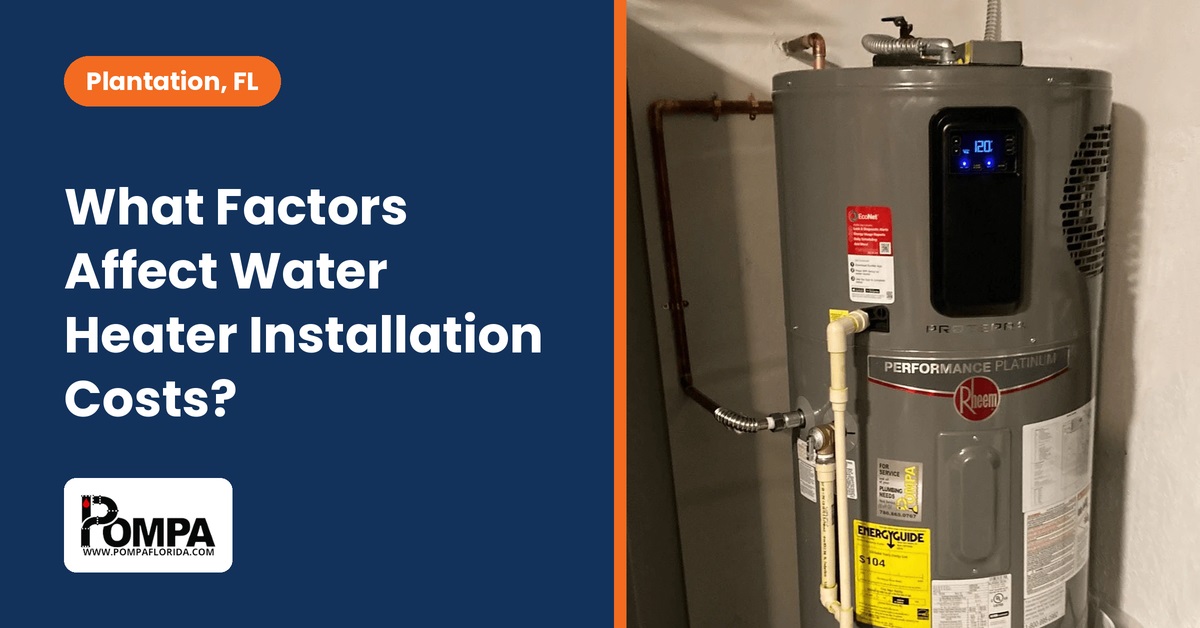

A leaking water heater tends to trigger a bit of panic, and honestly, that reaction isn’t unreasonable. Even a small leak can turn into real water damage if it’s ignored, and figuring out whether it’s a five-minute fix or a full emergency isn’t always obvious just by looking at a puddle. Here’s how to actually work through it, for homeowners in Tampa or Orlando dealing with this right now.
A leak can come from several different sources, and where it’s coming from tells you a lot about how serious it actually is.
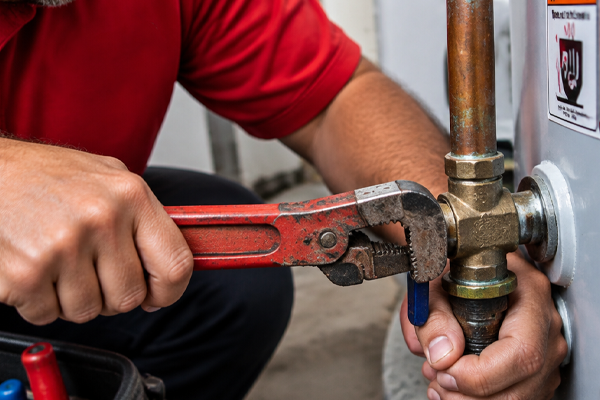
Where the leak is coming from narrows things down considerably. A leak near the top of the tank is often related to fittings, the cold water inlet, hot water outlet, or the temperature and pressure relief valve, and tends to be repairable. A leak from the bottom of the tank usually points to internal corrosion or a cracked tank, which generally means the tank has reached the end of its life and needs replacing rather than repairing.
Not every leak requires an emergency call, but some do. A slow drip from a fitting that’s easy to see and contain usually isn’t urgent, though it should still get addressed soon. A leak that’s actively pooling, especially if it’s coming from the bottom of the tank or growing quickly, should be treated as urgent, since it can mean the tank is failing and could release its full contents without much warning.
If you’re also noticing water near electrical components, or the leak is affecting flooring or walls, that moves the situation into true emergency territory.
Regardless of how serious the leak looks, a few steps apply almost universally:
If you’re noticing any of these issues, our water heater repair tampa team can diagnose and fix it fast.
Should you turn off your water heater if it’s leaking? In most cases, yes, both the power or gas supply and the water source, since continuing to run a leaking unit generally makes the problem worse and adds unnecessary risk.
This really comes down to where the leak is and the age of the unit. A leak from a fitting or valve on a relatively new water heater is often a straightforward repair. A leak from the tank body itself, particularly on a unit that’s already 8 to 10 years old or more, usually signals replacement is the more sensible option, since the underlying tank has started to fail structurally and a repair won’t address that.
A leaking water heater isn’t always a five-alarm emergency, but it’s also not something to leave alone and hope it stops. Knowing where the leak’s coming from, and how old the unit is, goes a long way toward figuring out whether you’re looking at a quick fix or a full replacement. If you’re dealing with a leak right now, shutting off power and water to the unit is the right first move while you get it looked at. Pompa Plumbing Group handles both emergency leak response and full assessments for homeowners across Tampa and Orlando.
Bottom leaks are usually caused by internal tank corrosion or a crack, which typically means the tank has reached the end of its usable life.
It depends on severity. A slow drip from a fitting usually isn't urgent, but active pooling or a bottom leak should be treated as an emergency.
Leaks from fittings or valves are often repairable, while leaks from the tank body itself generally mean replacement is necessary.
Yes, in most cases you should shut off the power or gas supply along with the water source until the unit can be properly assessed.