
When a water heater starts acting differently, the problem is not always as obvious as waking up to a completely cold shower. In South Florida homes, early warning signs can be much easier to miss: the water does not stay hot as long as it used to, a tank starts making popping noises, rusty-looking water appears briefly from a hot faucet, or a small amount of moisture shows up around the base of the unit. Because the water heater may be installed in a garage, utility closet, laundry area, or another space that homeowners rarely inspect, these changes can continue for weeks or months before someone realizes there is a problem.
Water heater problems in Florida can come from normal equipment wear, sediment and mineral buildup, heating-element or thermostat failures, plumbing leaks, corrosion, electrical problems, or simply a system that can no longer keep up with household demand. Some issues can be corrected with maintenance or an individual repair, while others point toward more significant deterioration. Understanding the most common symptoms helps South Florida homeowners decide when basic water heater troubleshooting is reasonable and when professional water heater repair is the safer option.
The most common water heater problems include no hot water, lukewarm or inconsistent water, leaking tanks or fittings, sediment buildup, unusual noises, discolored or unpleasant-smelling water, and electrical or heating-component failures. The exact cause depends on the type of water heater, its age and condition, household demand, local water conditions, and how the equipment has been maintained.
Not every problem requires replacement. Heating elements, thermostats, valves, connections, and some other components may be repairable. However, active tank leakage, significant corrosion, repeated failures, or extensive deterioration can make water heater replacement a more practical option. A qualified technician should inspect the system before that decision is made.
No hot water is one of the clearest signs that something is wrong, but it does not automatically mean the entire water heater has failed. On an electric tank water heater, possible causes include loss of power, a tripped breaker, a failed heating element, a thermostat problem, or a high-temperature safety control that has shut the unit down. Manufacturer troubleshooting documentation also identifies power loss, sensor problems, and heating-element issues among possible causes of no or insufficient hot water.
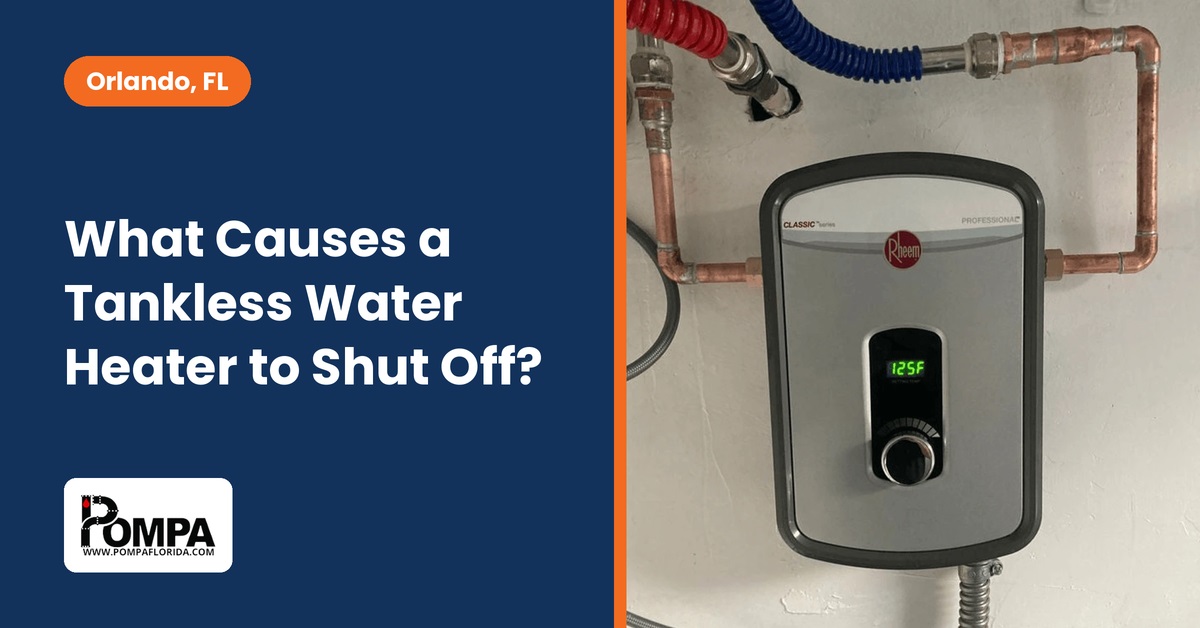
Gas systems have a different set of potential problems involving ignition, fuel supply, burners, controls, or venting. Tankless and hybrid units also have their own diagnostic systems, sensors, and operating requirements.
Before assuming the worst, homeowners can check whether other electrical equipment has lost power and whether the problem affects every hot-water fixture. However, removing electrical panels, bypassing safety devices, or working on gas equipment should be left to someone qualified to diagnose the system safely.
A water heater that produces some hot water but not enough can be more difficult to diagnose than a completely failed unit.
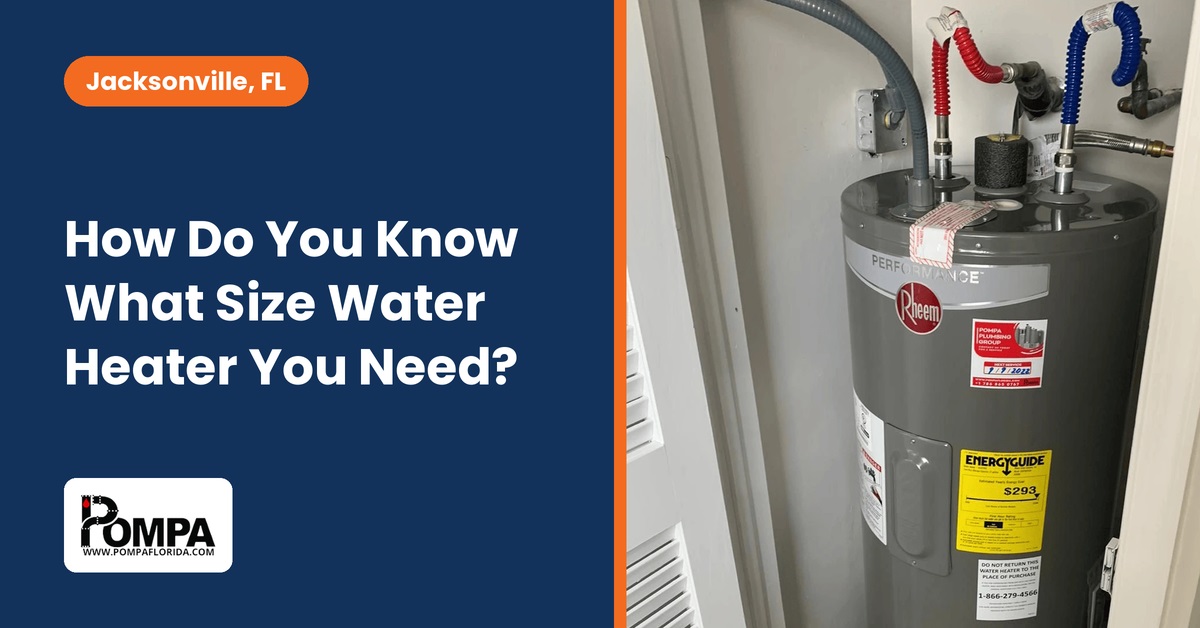
For electric tank systems, a failed lower heating element may leave enough hot water for a short shower but not enough to meet normal household demand. Other possible causes include sediment accumulation, an incorrect temperature setting, a damaged dip tube, plumbing problems, or a water heater that is undersized for current usage. These are all recognized potential causes of insufficient hot water in manufacturer troubleshooting materials.
In real-world situations, the household itself can also change. Adding family members, taking back-to-back showers, installing a larger bathtub, or using multiple hot-water appliances at once may expose a capacity problem that was not noticeable before.
If the equipment previously handled normal demand and suddenly does not, a mechanical or maintenance issue is more likely and should be investigated.
Water near a water heater should never simply be assumed to be harmless condensation. The source matters.
Leaks may develop at:
Pipe connections
Shutoff valves
Drain valves
Temperature and pressure relief valves
Nearby plumbing
The tank itself
A small leak at a threaded connection or serviceable component may sometimes be repaired. Water leaking through the body or bottom of a deteriorating storage tank, however, is a much more significant issue.
One common mistake is repeatedly drying the floor without finding where the water is coming from. Slow leaks can damage nearby flooring, drywall, cabinetry, equipment, and stored belongings while also allowing corrosion to continue.
If you find active moisture, shut down the system when it is safe to do so and arrange an inspection. A plumber can determine whether a targeted repair is reasonable or whether the tank has reached the point where replacement should be considered.
Sediment and scale can gradually collect inside traditional tank water heaters. Water hardness is primarily related to dissolved calcium and magnesium, and the U.S. Environmental Protection Agency explains that hard water can contribute to scale formation inside water heaters, pipes, and other plumbing equipment. Scale can also interfere with heat transfer.
That buildup may contribute to reduced performance, noise, lower usable tank capacity, or longer heating cycles. The amount and rate of buildup vary by property, water source, temperature, equipment, and maintenance history.
South Florida homeowners should avoid assuming that every water supply has identical characteristics. Miami-Dade, for example, publishes annual drinking water quality reports so residents can review information about the local municipal supply.
When sediment is the primary concern, periodic water heater flushing may be part of an appropriate maintenance plan.
A water heater is not always completely silent, but new or increasingly loud noises deserve attention.
Popping and rumbling in tank systems are often associated with water interacting with sediment or mineral deposits near the bottom of the tank. As the burner or heating element warms the water, trapped water and steam can move through the deposits and create noticeable sounds.
However, not every noise means the same thing. Expansion and contraction of metal can produce some normal sounds, while humming, buzzing, clicking, or electrical noises may point toward entirely different components.
A useful rule is to pay attention to changes. If a heater that was previously quiet becomes noticeably louder, especially when combined with reduced hot-water capacity or inconsistent temperature, an inspection is reasonable.
Routine water heater maintenance can help determine whether sediment, worn components, or another issue is responsible.
Discolored water can be alarming, but determining whether the water heater is responsible requires a little troubleshooting.
Start by checking whether the issue occurs only with hot water or with both hot and cold water. If discoloration is present throughout the home, the source may involve the incoming water supply or plumbing rather than the water heater itself.
If the problem appears only on the hot side, possibilities may include corrosion inside the system, sediment, aging components, or a deteriorating anode rod. Certain odor issues can also involve interactions between water chemistry, bacteria, and components inside a storage tank.
Do not assume that draining the tank or adding chemicals will automatically solve the problem. Water quality problems can have several causes, and using inappropriate treatments may create additional issues.
If the change is persistent, unusual, or accompanied by visible corrosion, have the system inspected before deciding on a solution.
Common problems include no hot water, lukewarm water, sediment buildup, leaking connections or tanks, unusual noises, corrosion, electrical failures, and discolored or unpleasant-smelling hot water. The exact cause depends on the type and condition of the system.
Electric systems may have a power, breaker, thermostat, heating-element, sensor, or safety-control problem. Gas and tankless systems have different potential causes. A professional inspection is recommended when the source is not obvious.
Popping or rumbling can occur when sediment or mineral deposits accumulate in the tank and interact with water during heating. Flushing may help in some cases, but the condition of the tank should be evaluated first.
Many South Florida homes use electric water heaters, which means electrical problems can sometimes appear as plumbing problems.
Possible signs include:
No hot water
Intermittent heating
Frequently tripped breakers
Burning or electrical odors
Discolored wiring or connections
Unusual buzzing
A water heater that repeatedly shuts down
A breaker that trips once may warrant investigation, but a breaker that continues to trip should not simply be reset repeatedly. Circuit protection is responding for a reason, and the cause could involve the heater, wiring, connections, or another electrical problem.
Homeowners should also avoid removing electrical access panels unless they understand the equipment and appropriate safety procedures. Water heaters commonly operate on electrical circuits capable of causing serious injury.
If electrical failure is suspected, professional water heater troubleshooting is safer than replacing parts based only on symptoms.
The type of repair required depends heavily on what inspection finds. Some common problems can be isolated to serviceable components rather than the entire water heater.
Potentially repairable issues may involve:
Heating elements
Thermostats
Some valves
Plumbing connections
Drain components
Electrical connections
Certain sensors or controls
Specific tankless components
This is why diagnosis matters. Replacing a water heater because it stopped producing hot water would make little sense if the underlying issue is simply a failed heating element on an otherwise serviceable system.
Likewise, repeatedly repairing an extensively corroded or leaking tank may not be practical. A good diagnosis should separate the symptom from the actual cause before recommendations are made.
For homeowners looking for water heater service in Broward County, Fort Lauderdale, Miami, or surrounding South Florida communities, describing exactly what changed can help the technician narrow down the problem more efficiently.
Repair may be appropriate when the tank or primary equipment remains in reasonable condition and the problem is isolated to a serviceable component.
For example, a failed thermostat, heating element, valve, or connection may be corrected without replacing the entire system. The same principle applies to some tankless water heater problems involving sensors, scale buildup, filters, or replaceable controls.
The larger picture matters, however. The condition of the tank, previous repairs, corrosion, maintenance history, equipment type, availability of parts, and cause of failure all influence whether repair makes sense.
Homeowners comparing repair and replacement should avoid focusing on equipment age alone. Condition and failure type usually provide more useful information than a single number.
A water heater that is leaking through the tank body, heavily corroded, experiencing repeated failures, or requiring significant repairs may justify discussing replacement.
Replacement also provides an opportunity to reconsider which water heater type fits the household. Depending on the property and hot-water demand, homeowners may compare conventional storage systems with tankless water heaters or hybrid water heaters.
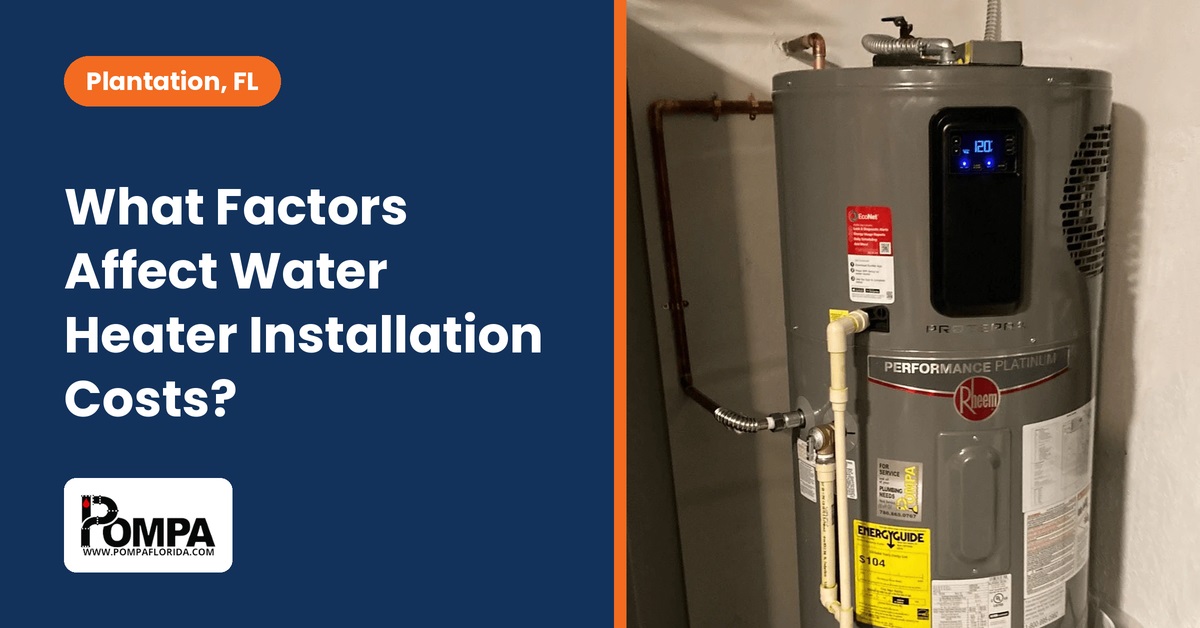
Choosing a new system involves more than selecting a tank size. Installation conditions, electrical service, fuel type, ventilation, available space, household demand, existing plumbing, drainage, and manufacturer requirements can all affect the project.
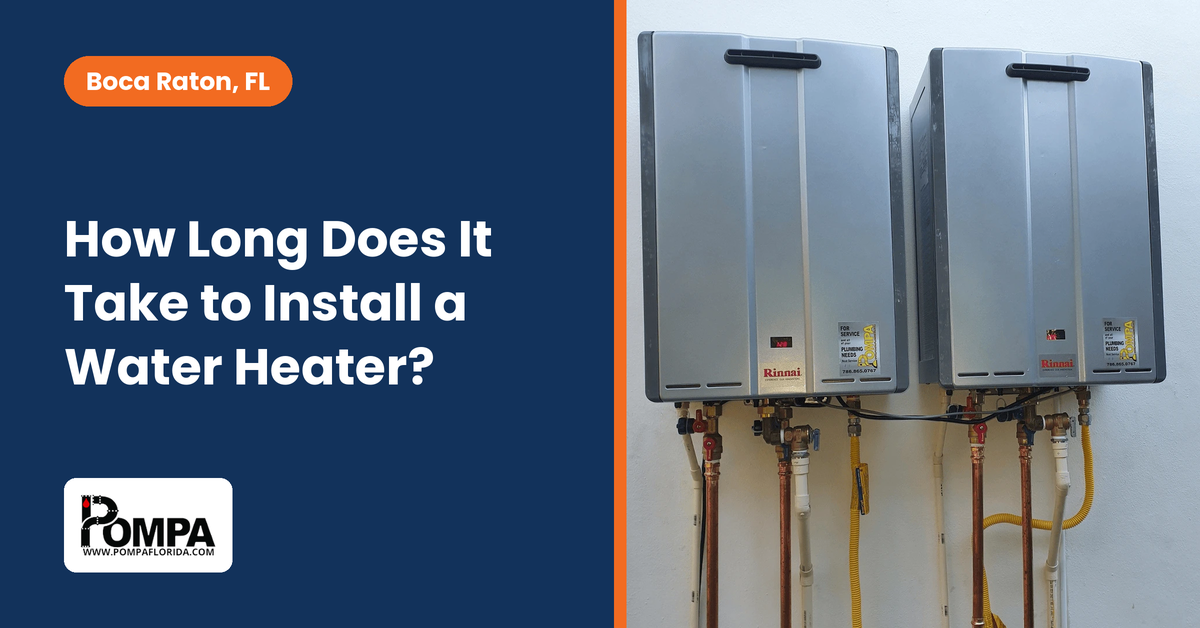
A professional water heater installation evaluation can help determine what changes would be needed before selecting equipment.
Two homes with the same symptom can require very different repairs. “No hot water,” for example, could come from a relatively straightforward component failure or a larger electrical, plumbing, or equipment problem.
Factors that affect repair cost, complexity, and service time include:
Type of water heater
Location and accessibility
Condition and age of the equipment
Exact failed component
Availability of replacement parts
Existing corrosion
Sediment or scale accumulation
Plumbing or electrical modifications needed
Whether water damage is present
Emergency or after-hours service
Tankless, hybrid, gas, or electric system design
Whether additional safety or installation problems are discovered
This is why accurate pricing generally requires knowing the specific failure rather than pricing based only on the symptom.
Some basic water heater troubleshooting can be done without taking anything apart. You can check whether the problem affects all faucets, look for visible water, listen for unusual noises, and verify whether an electrical breaker has tripped.
More involved problems should be handled professionally, especially when electricity, gas, pressure, hot water, or internal components are involved.
Contact a qualified professional if you notice active leakage, significant corrosion, repeatedly tripped breakers, burning odors, gas odors, damaged wiring, uncontrolled temperature changes, persistent relief-valve discharge, or a complete loss of hot water that cannot be explained by an obvious interruption.
Water temperature also has a safety component. The U.S. Consumer Product Safety Commission recommends approximately 120°F as a residential water-heater setting to help reduce tap-water scald risks.
Do not bypass safety controls or raise temperatures simply to compensate for poor water-heater performance.
Most common water heater problems provide at least some indication that conditions are changing. It may be a strange noise, a small amount of corrosion, shorter showers, inconsistent temperatures, a dripping connection, or a breaker that suddenly starts tripping.
Those symptoms do not automatically mean the water heater needs to be replaced. They do mean the system deserves attention.
For homeowners looking for water heater repair in Fort Lauderdale, water heater repair in Miami, water heater repair in Broward County, or simply searching for water heater service near me, the best first step is determining the actual source of the problem. An inspection can separate routine maintenance and repair issues from problems that justify replacement.