
When you turn on the shower and realize the water heater still has not recovered from the last person’s shower, it is easy to assume the entire unit is failing. In many South Florida homes, however, slow hot water develops gradually. A tank that once kept up with the household may start needing more time between showers, the dishwasher and washing machine may compete for available hot water, or an electric water heater may produce some hot water but struggle to replenish it.
If your water heater is taking so long to heat up that it is changing how your household uses hot water, there is usually an identifiable reason. Sometimes the issue is normal for the type or size of water heater. In other cases, slow recovery can point to sediment buildup, a failed heating element, an aging system, or a unit that is simply undersized for current demand. Understanding the difference can help you decide whether maintenance, repair, or replacement makes the most sense.
A water heater taking long to heat usually means either the heater is producing heat more slowly than it should or your household is using hot water faster than the system can replace it. Common causes include sediment inside the tank, a malfunctioning electric heating element, an undersized water heater, unusually high hot water demand, or declining performance as the unit ages.
There is also an important distinction between a water heater slow to heat and hot water that simply takes a long time to reach a particular faucet. If the water is hot at fixtures close to the heater but takes a while to reach a distant bathroom, the issue may involve the plumbing layout rather than the heater itself. If the entire home has slower recovery than it used to, the water heater deserves a closer look.
“Recovery time” is how long a water heater takes to reheat water after some of its stored hot water has been used. Every tank-style water heater has a limit. After several showers or other high-demand activities, cold water enters the tank and needs to be heated before the system can once again provide its full supply.
Recovery performance depends on several factors, including:
The U.S. Department of Energy uses a measurement called the first-hour rating, or FHR, to describe how much hot water a storage water heater can provide during a high-demand hour. In other words, gallon capacity alone does not tell you how well a water heater will keep up with a household. Learn more about water heater capacity and first-hour ratings from the U.S. Department of Energy
If recovery has always been somewhat slow, the unit may simply have limited capacity. However, if recovery time has noticeably increased, that change can indicate a maintenance or repair issue.
A failed heating element is one of the more important possibilities when an electric water heater is slow heating. Many traditional electric tank water heaters use upper and lower heating elements that operate in a controlled sequence. When one element stops working correctly, the heater may still produce some hot water, which can make the problem less obvious than a complete loss of hot water.
For example, a homeowner might notice that the first shower is reasonably warm but the water runs cold faster than before. The system may then take an unusually long time to recover. This is different from a total electrical failure because the water heater appears to be working, just not at its normal capacity.
Manufacturer troubleshooting information also identifies non-functioning elements as a potential cause of slow hot water recovery in electric units. Because diagnosing electric components involves high-voltage equipment, element and thermostat testing is generally better handled as part of a professional water heater repair service rather than by trial and error.
Tank water heaters naturally collect material at the bottom of the tank over time. The amount and rate of accumulation depend on the home’s water supply, water quality, usage, maintenance history, and the particular unit. As deposits build, they can interfere with efficient heat transfer and contribute to slower recovery.
Sediment-related issues may also be accompanied by unusual popping, rumbling, or crackling noises while the water heater operates. However, noise alone is not enough to diagnose the problem. A technician may need to determine whether flushing is appropriate or whether buildup has progressed far enough that other components have been affected.
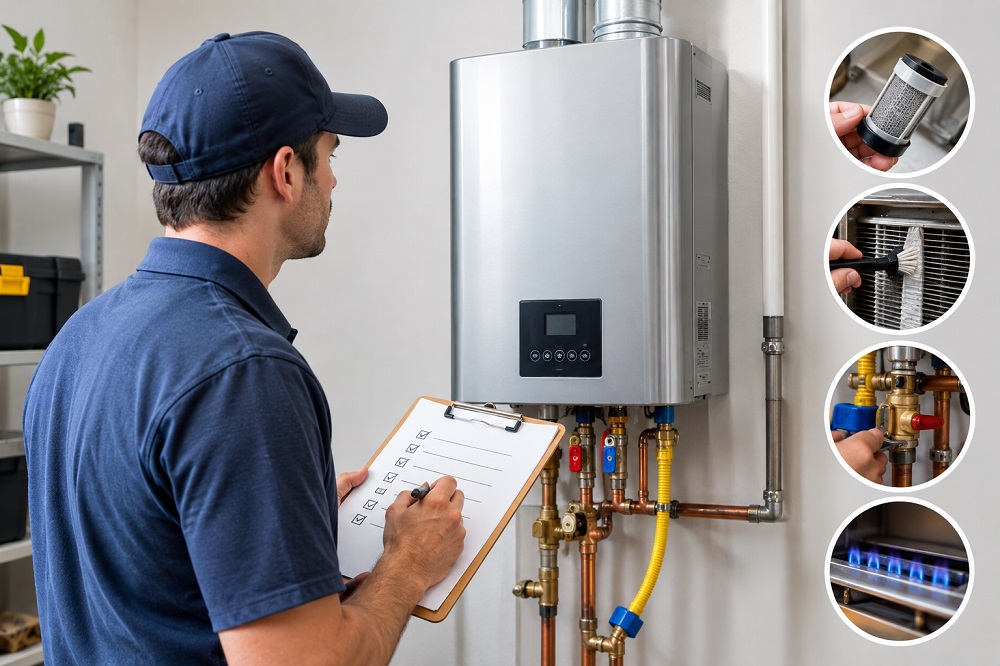
Manufacturer maintenance guidance specifically includes tank flushing as a method for removing sediment that accumulates during operation. For homeowners trying to prevent buildup from becoming a larger performance issue, periodic water heater flushing and appropriate water heater maintenance can be discussed based on the condition and recommendations for the specific system.
Sometimes there is nothing mechanically wrong with the water heater. The system simply cannot keep up with the household.
A tank that was adequate for two occupants may struggle after more people move into the home or household routines change. Back-to-back showers, laundry, dishwashing, large soaking tubs, and other simultaneous uses can create a peak demand that exceeds the heater’s available capacity and recovery rate.
This is why water heater sizing should consider more than the number printed on the tank. ENERGY STAR recommends considering household hot water demand and the unit’s first-hour capability when selecting equipment. Its guidance also notes that households with periods of high hot water demand may benefit from greater storage capacity, depending on the type of system.
If the current unit has never comfortably kept up, it may be worth discussing whether a differently sized tank water heater, a tankless water heater, or another system configuration better matches the home’s actual demand.
Electric water heater slow heating can be caused by a failed heating element, thermostat or electrical problem, sediment buildup, excessive demand, or an undersized unit. A partially functioning heater may still produce hot water while recovering much more slowly than normal.
Reduced hot water can result from a failed heating element, increased household demand, sediment accumulation, temperature-control issues, or declining equipment performance. If household usage has not changed but available hot water has, the system should be evaluated.
Not necessarily. Slow recovery can sometimes be corrected through repair or maintenance. Replacement becomes more relevant when the tank is deteriorating, leaking, poorly sized for the household, or experiencing multiple problems. Proper diagnosis should come before deciding.
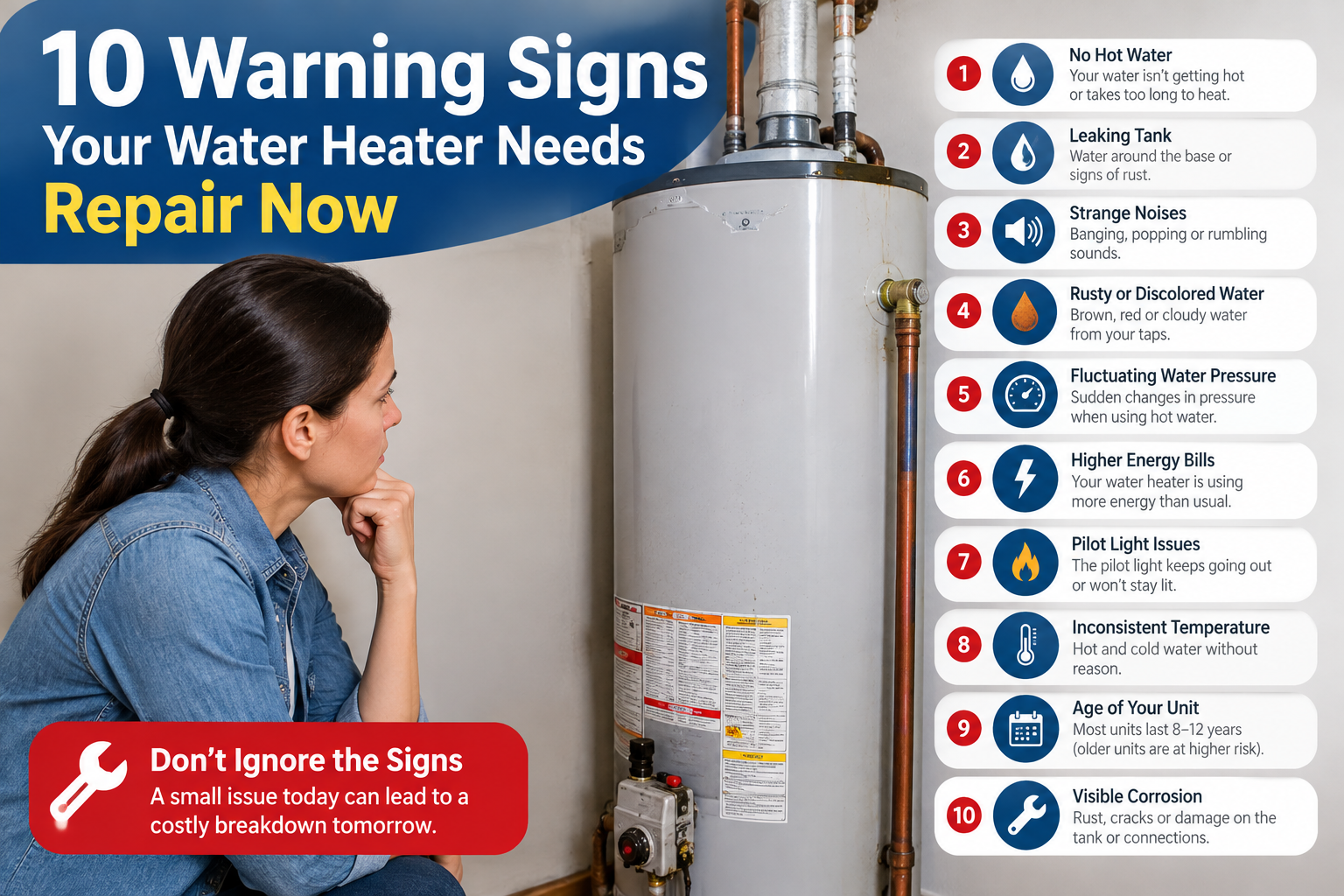
Water heaters do not always fail suddenly. In real-world service situations, declining performance may appear first as longer recovery periods, inconsistent temperatures, new noises, intermittent operation, or less usable hot water than the household previously had.
Age alone does not prove that replacement is necessary. A repairable component could still be responsible. However, the overall condition of an older system becomes increasingly important when deciding how much work makes sense. Tank condition, corrosion, leaks, electrical components, sediment accumulation, maintenance history, and the availability of suitable replacement parts can all influence that decision.
When repairs begin addressing multiple symptoms rather than one isolated component, comparing repair with water heater replacement options can provide a clearer picture of the long-term choices.
Before assuming something has broken, consider what happened immediately before the problem.
If two showers, a washing machine cycle, and a dishwasher all used hot water within a relatively short period, the heater may simply be recovering from unusually high demand. Guests can create the same situation in a home where the water heater normally works without issue.
Watch for the pattern. If slow hot water only occurs after unusually heavy use and returns to normal afterward, capacity may be the primary issue. If hot water now takes too long even after relatively light use, there is more reason to investigate the heater itself.
For households whose demand has permanently increased, correct water heater installation and sizing becomes especially important. Installing a larger unit is not automatically the answer. The right selection depends on available space, energy source, household demand, electrical or gas requirements, and the type of water heater being considered.
Heat pump, or hybrid, water heaters operate differently from traditional electric resistance units. Instead of relying entirely on resistance heating, they can move heat from the surrounding air into the stored water. Many models also include electric resistance elements that can assist during periods of greater demand. ENERGY STAR explains how heat pump water heaters operate
Because operating modes can affect recovery, a hybrid water heater that appears slow may not necessarily have a failed component. Settings, installation conditions, tank size, airflow, and household demand can all affect performance. Homeowners considering hybrid water heaters should therefore look at both efficiency and hot water delivery requirements rather than comparing tank capacity alone.
Occasional slow recovery after unusually heavy hot water use is not necessarily a repair issue. A noticeable change from the heater’s normal performance is more significant.
Consider having the system inspected if you notice:
A qualified technician can separate a component failure from sizing, maintenance, plumbing, or usage issues. That distinction is important because replacing a heating element, addressing sediment, and replacing an entire tank are very different solutions.
If you are searching for “water heater repair near me” because the problem appeared suddenly, describing exactly what changed can also help with diagnosis. Mention whether you have no hot water, reduced hot water, fluctuating temperatures, or simply a much longer recovery period.
There is no single repair or replacement cost that applies to every water heater slow to heat. The final scope depends on what is actually causing the problem.
Important factors include:
For Broward County and South Florida homeowners, the most useful estimate is one based on the actual unit, installation location, symptoms, and condition rather than a broad online price range.
Some basic observations are safe for homeowners: note when the problem occurs, check whether multiple fixtures are affected, look for visible leaks, and review the operating mode or error display if your water heater has electronic controls.
Electrical testing, heating-element replacement, internal gas-system work, thermostat repairs, or work involving pressurized hot water should be left to someone qualified to perform it. Water heaters combine electricity or fuel, high temperatures, water pressure, and plumbing connections, so incorrect repairs can create additional hazards.
You should also arrange professional service promptly if there is leaking around the tank, repeated breaker tripping, signs of overheating, unusual combustion-related concerns, or a significant decline in performance.
The answer depends on the cause.
If an otherwise serviceable water heater has a specific repairable problem, repairing the component may restore normal performance. If sediment or neglected maintenance is contributing to the issue, an appropriate maintenance approach may help depending on the condition of the tank.
On the other hand, replacement may deserve consideration when the tank itself is deteriorating, leaks are present, the system no longer matches household demand, or multiple issues are occurring at the same time. A new system also creates an opportunity to reconsider whether a conventional tank, tankless system, or hybrid model better fits the property.
For homeowners looking for water heater service in Broward County, the first step should be determining why performance has changed. Once the cause is clear, it is much easier to make a practical repair-versus-replacement decision without replacing equipment unnecessarily.