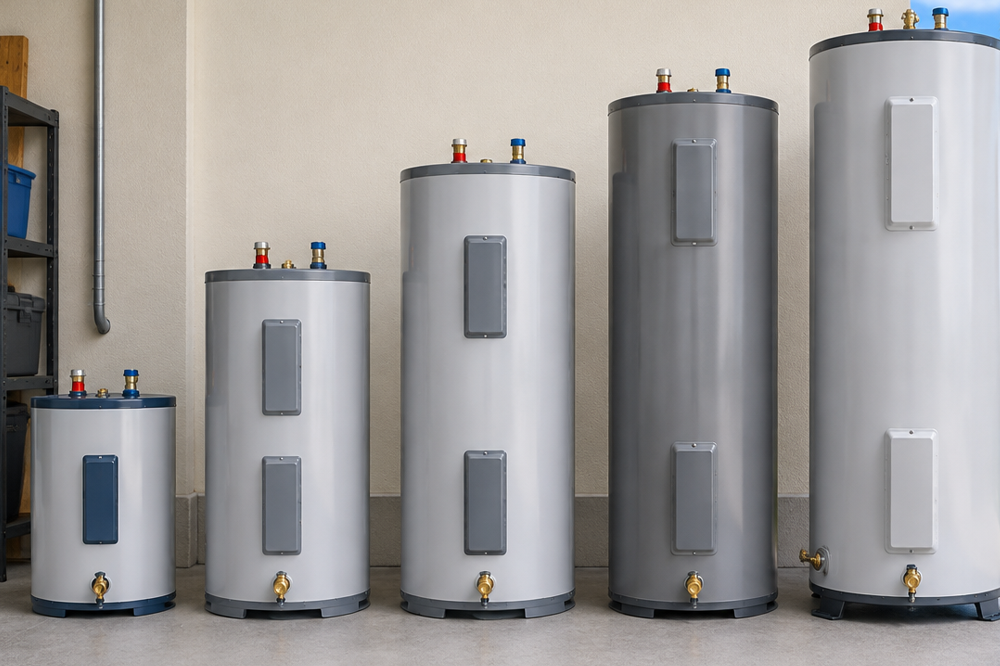

Tankless water heaters have gone from a niche upgrade to one of the more common questions homeowners in Orlando and Tampa bring up when they’re planning any kind of water heater work. Part of that’s just word of mouth, someone’s neighbor made the switch and won’t stop talking about it, but there’s actually solid reasoning behind why tankless keeps coming up. Here’s a rundown of what switching actually gets you, without the exaggerated marketing spin.
No more running out mid-shower. This is usually the first thing people notice after switching. A traditional tank heats a set amount of water and then has to recover before it can produce more. A tankless unit heats water as it flows through, so as long as the unit is properly sized for the household, running out isn’t really a concern anymore, even with back-to-back showers or a washing machine running at the same time.
Heating water only when you actually need it saves money over time. A traditional tank keeps a large volume of water hot around the clock, which means it’s using energy even when nobody’s home. Tankless units only fire up when hot water’s actually being drawn, which cuts down on standby energy loss. The exact savings vary by household size and usage patterns, but most homeowners see a noticeable dip in their water heating costs after switching.
Tankless systems typically last significantly longer than tank models. A conventional tank water heater generally lasts somewhere around 8 to 12 years in Florida’s climate and water conditions. Tankless units, with proper maintenance, often last 15 to 20 years or more. That longer lifespan helps offset the higher upfront cost over the life of the unit.
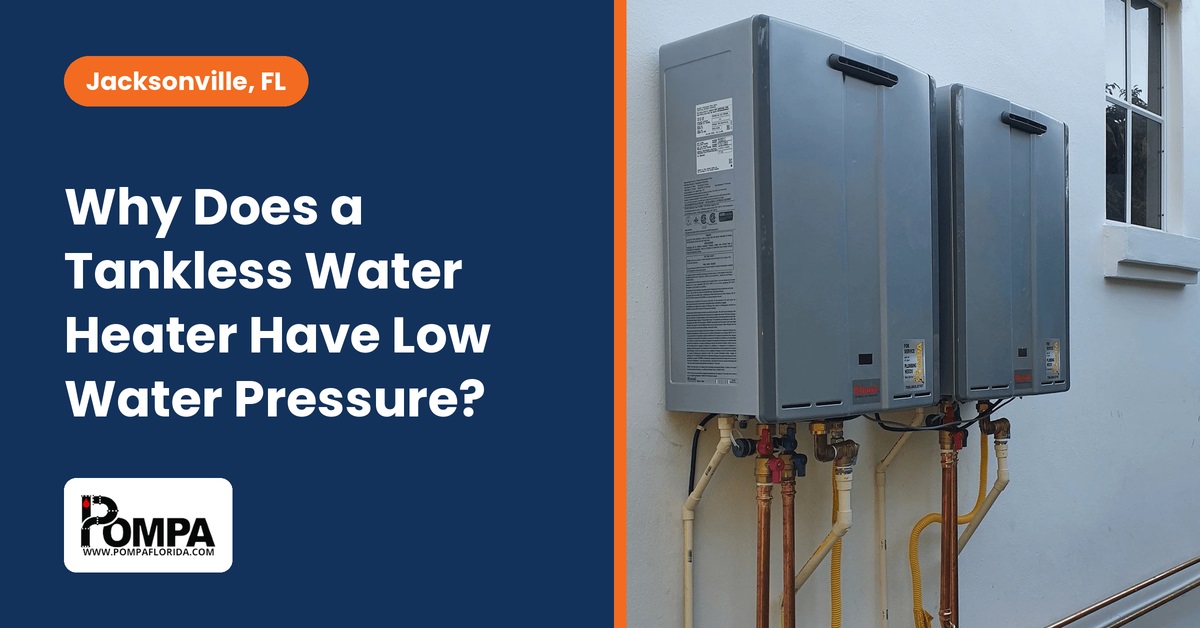
Tankless units free up real square footage. Traditional tanks take up a fair amount of closet or utility space, especially the larger capacity models needed for bigger households. Tankless units mount on a wall and take up a fraction of the footprint, which matters a lot in smaller Florida homes or condos where utility space is already tight.
No large water reservoir means less risk of a major leak. One of the more overlooked benefits is what a tankless system removes from the equation entirely. Traditional tanks hold 40 to 80 gallons of water at all times, and when a tank fails, that water has to go somewhere, often resulting in real water damage. Since tankless units don’t store water in the same way, the risk of a sudden, large-scale leak drops significantly.
Switching to tankless can come with real financial incentives. Depending on the specific unit and current programs, homeowners upgrading to a qualifying energy-efficient tankless water heater may be eligible for rebates or federal tax credits. These programs change from year to year, so it’s worth checking current eligibility before finalizing a purchase, but it can meaningfully offset the higher installation cost compared to a standard tank.
Tankless isn’t automatically the right choice for every household. Homes with older gas lines or electrical panels sometimes need upgrades to support a tankless unit, which adds to the upfront cost. Larger households with high simultaneous hot water demand also need a properly sized system, undersizing is one of the more common reasons people end up disappointed after switching. That said, for a lot of Florida homeowners planning a replacement anyway, the long-term savings and space benefits make tankless worth serious consideration rather than defaulting straight to another tank.
Thinking of going tankless? Our tankless water heater installation tampa team can walk you through sizing, venting and cost.
Switching to a tankless water heater isn’t just a trend, there are genuine, measurable benefits behind the decision, from lower energy bills to a longer lifespan and reduced flood risk. It’s not the right fit for absolutely every household, but for a lot of homeowners in Orlando and Tampa, it ends up being one of the more practical upgrades available when a water heater’s due for replacement anyway. Pompa Plumbing Group can walk through sizing, installation requirements, and current rebate eligibility to help figure out if tankless makes sense for your specific home.
Savings vary by household, but most homeowners see a noticeable reduction in water heating costs due to reduced standby energy loss.
Yes, since they only heat water on demand rather than keeping a large tank hot around the clock, which cuts down on wasted energy.
Tankless units mount on a wall and take up a fraction of the space a traditional tank requires, freeing up closet or utility space.
They can be a selling point for buyers looking for energy efficiency and space savings, though the impact on resale value varies by market.