
Your water heater is one of the most vital appliances in your home, delivering hot water for showers, dishwashing, and laundry. Yet, it’s easy to overlook — until it breaks down. Regular water heater maintenance not only extends the life of your system but also ensures optimal efficiency and safety. Whether you’ve recently had a water heater installation or have an older unit that may be nearing replacement, staying on top of routine upkeep can prevent costly repairs and premature failure.
In this article, we’ll walk you through a detailed water heater maintenance checklist every homeowner should follow. From flushing your tank to checking the pressure relief valve, each task plays a key role in the longevity and performance of your water heater. If you’re located in a warm, humid climate like South Florida, your water heater may face unique challenges, making consistent care even more essential.
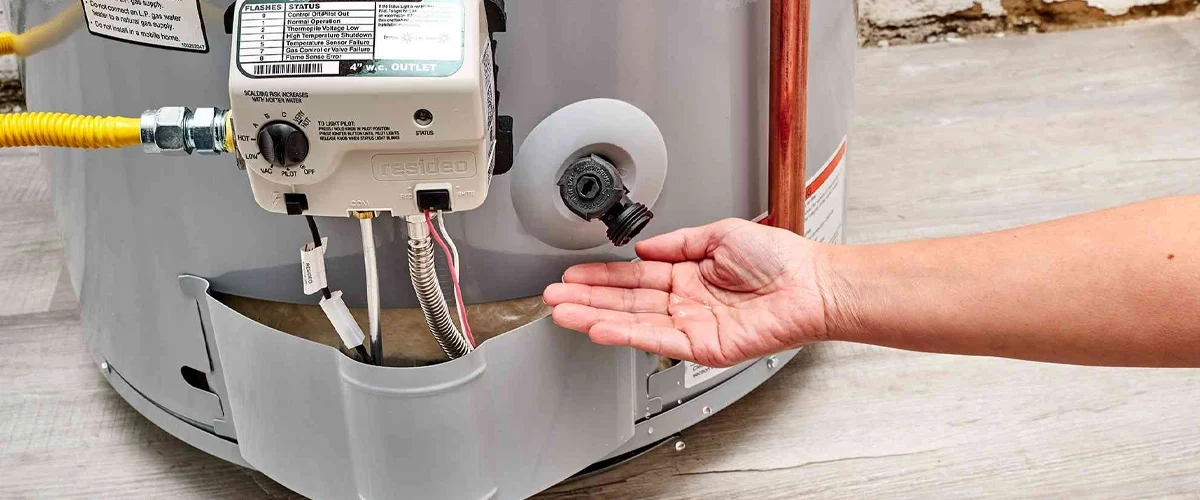
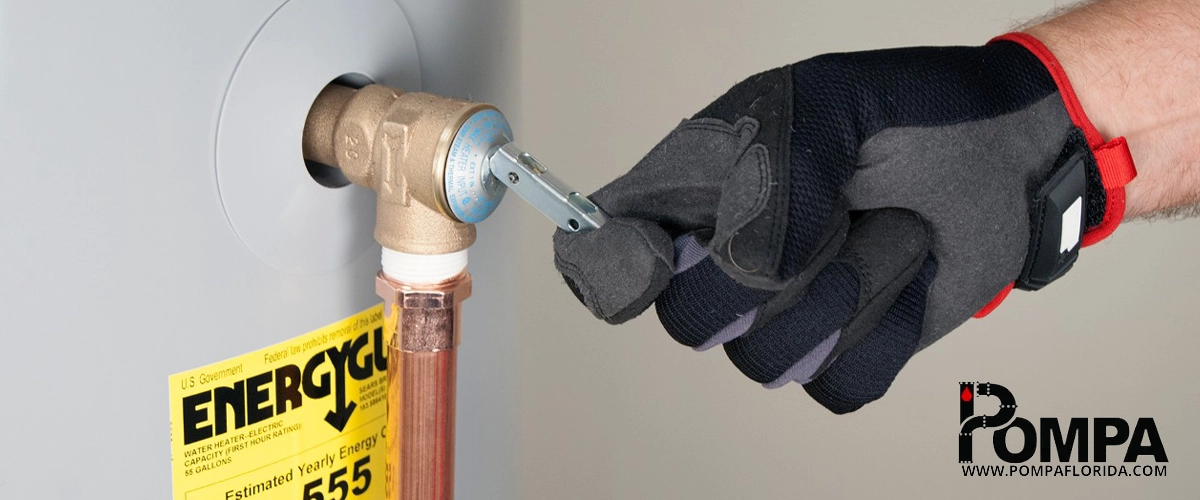
The temperature and pressure relief valve (T&P valve) is a critical safety component on your water heater. It’s designed to release pressure if the tank becomes too hot or builds up excessive pressure. A malfunctioning T&P valve can result in dangerous situations, including tank ruptures or leaks.
To inspect the valve, first turn off the power supply (electricity or gas) and the cold water intake. Place a bucket underneath the valve — usually located on the side or top of the tank — and lift the lever gently. Water should flow out when the valve is functioning correctly, then stop when you release the lever. If it continues to leak or doesn’t discharge at all, it may need replacement.
Homeowners in humid climates, such as South Florida, should perform this check more frequently due to increased corrosion risks. If you’re uncertain about the procedure or notice any signs of rust or deterioration, contact a professional offering water heater service near me to ensure your safety.
Water heater flushing is one of the most important — and often ignored — maintenance tasks. Over time, sediment builds up at the bottom of your tank, especially in regions with hard water. This buildup can reduce efficiency, block heat transfer, and shorten the lifespan of your heater. In areas like South Florida, where minerals are prevalent in the water supply, flushing should be done at least once a year.
To flush your heater, start by turning off the power and cold water intake. Connect a garden hose to the drain valve and run it to a safe drainage location. Open the valve and allow the water (and sediment) to drain completely. Then, briefly turn on the cold water intake to stir up remaining particles and continue flushing until the water runs clear.
This process can be messy and, if done improperly, might cause damage. If you’ve never flushed your system or suspect significant buildup, it’s best to consult water heater experts like Pompa Plumbing, who specialize in South Florida water heaters.
The anode rod is a sacrificial component designed to prevent rust inside your water heater tank. Made of aluminum, magnesium, or zinc, the rod attracts corrosive minerals and protects the steel tank from rusting. Without a functional anode rod, your tank may deteriorate quickly — leading to leaks and the need for water heater replacement much sooner than expected.
Inspecting the anode rod involves turning off the power and water supply, then unscrewing the rod from the top of the tank. If it’s heavily corroded or worn down to less than ½ inch in diameter, it’s time for a replacement. This task should be done every 1 to 3 years depending on your water quality.
Homeowners dealing with South Florida water heaters may find that high humidity and mineral-rich water lead to faster anode rod degradation. Replacing this part regularly can extend the life of your water heater significantly and prevent the need for premature replacement.
Keeping your water heater at the right temperature isn’t just a comfort issue — it can impact safety, energy consumption, and the unit’s overall lifespan. The Department of Energy recommends a setting of 120°F for optimal performance. Higher temperatures increase the risk of scalding and accelerate sediment buildup.
To adjust the temperature, locate the thermostat on your unit. On gas water heaters, this is usually a knob on the gas valve. On electric units, you’ll need to remove an access panel and possibly some insulation to reach the thermostat dial. Make adjustments carefully and wait a few hours before testing the water at your tap.
In warm climates like South Florida, there’s typically no need to keep the water heater set above 120°F. If your current setting is higher, consider dialing it down — you’ll reduce wear and tear on the unit and lower your utility bills. If your water temperature fluctuates despite adjustments, that could indicate internal issues that require water heater service near me.
Even a small leak can indicate a larger underlying problem. Make a habit of checking around the base of your water heater for puddles, rust stains, or moisture. Also, inspect the pipes and fittings for any signs of corrosion or mineral buildup.
Corrosion is especially common in areas like South Florida, where salt air and moisture can accelerate wear. Look for rust spots on the tank, particularly near the base and around the T&P valve. If you notice any of these signs, don’t ignore them — you may need professional water heater maintenance or even a full water heater replacement.
Leaks may also originate from loose fittings or worn gaskets. These issues are generally repairable if caught early. But if your tank itself is leaking, it’s likely time to contact water heater experts to discuss replacement options.
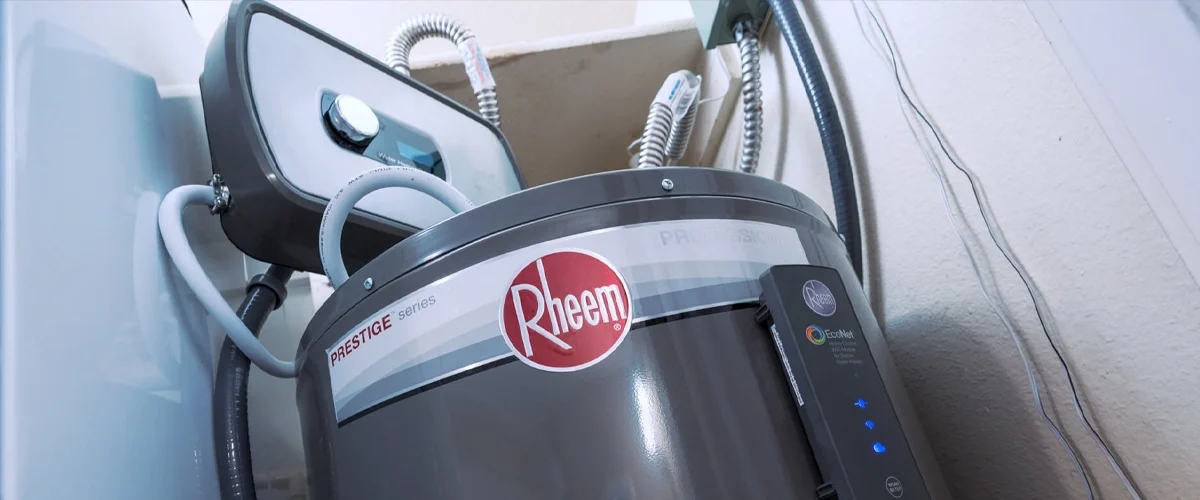
If your water isn’t heating properly, one possible culprit is the heating element in your electric water heater. Over time, these elements can burn out or become coated in sediment, reducing their effectiveness. A multimeter can be used to test the continuity of the element, but only if you’re comfortable with electrical work.
To test it, turn off power at the breaker, remove the access panel, and use the multimeter probes on the element terminals. If the reading shows an open circuit, the element is bad and needs replacement. If there’s continuity but your water is still not heating, further inspection by a professional is recommended.
Don’t attempt this if you’re unfamiliar with electric systems. Improper handling can result in shocks or damage to your water heater. In such cases, it’s wise to call a water heater service near me — like the skilled technicians at Pompa Plumbing — who can diagnose and resolve the issue safely and efficiently.
Water heaters are a vital part of everyday comfort, and proper maintenance ensures they stay efficient, safe, and long-lasting. By regularly inspecting the pressure valve, flushing the tank, checking the anode rod, adjusting the temperature, watching for leaks, and testing the heating elements, you can prevent unexpected breakdowns and reduce your energy bills.
Still, not every maintenance task is suitable for DIY. Sediment buildup, corrosion, and component failures can escalate quickly if left untreated. That’s why it’s crucial to rely on trained professionals — especially when it comes to serious cleaning or water heater flushing. If you live in South Florida and need expert help, Pompa Plumbing is your go-to solution. Their team of water heater experts provides top-tier water heater maintenance, installation, and replacement services designed specifically for South Florida water heaters.
So, the next time you search for water heater service near me, remember: a simple call to Pompa Plumbing can save you time, money, and major headaches down the road. Keep your hot water flowing — and your home protected — with a maintenance routine backed by expert care.