
When it comes to choosing the best water heater for your Florida home, the decision often boils down to two primary options: tankless and traditional tank systems. Both provide hot water, but the way they operate, their energy efficiency, and their long-term costs can vary significantly. In 2025, with rising utility costs and evolving energy standards, Florida homeowners are rethinking their options. Should you invest in a sleek tankless water heater or stick with the tried-and-true tank water heater? Let’s dive into the details.
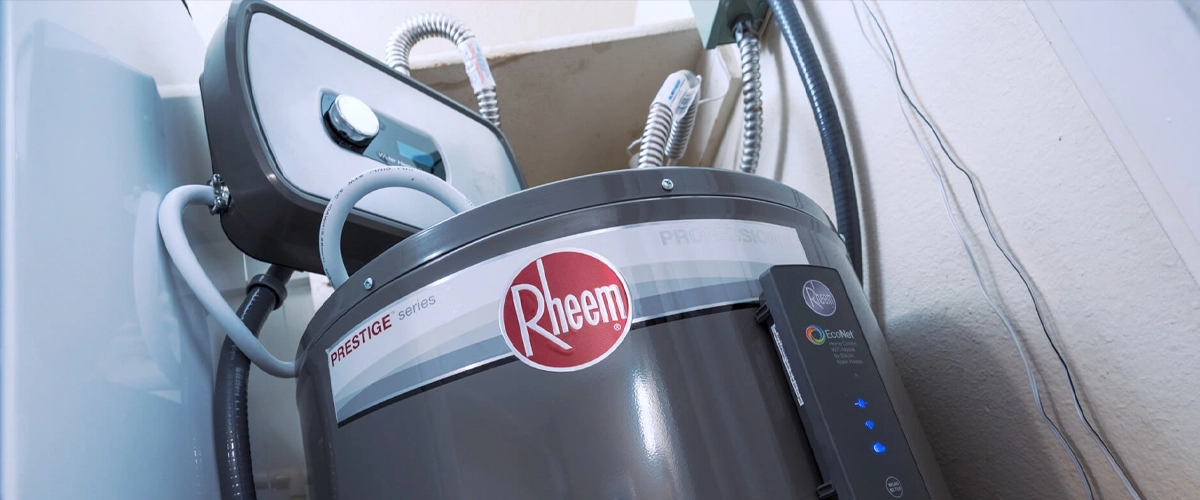
A traditional tank water heater stores a large volume of water—anywhere from 30 to 80 gallons—and keeps it hot around the clock. These systems are common in many Florida homes due to their straightforward design, relatively lower upfront cost, and ability to supply hot water to multiple fixtures simultaneously. For larger families, this can be a major advantage since several showers, sinks, or appliances can run at once without delay.
However, storing hot water 24/7 comes at a price. Tank systems consume more energy over time because they must continually reheat water, especially if the tank isn’t well-insulated. This can be particularly noticeable in South Florida, where energy bills are already high due to heavy air conditioning use. For homeowners concerned about monthly costs, this ongoing energy demand may be a drawback.
Another consideration is lifespan. Most tank water heaters last 8–12 years, and when problems arise, it may be time for water heater replacement. Regular water heater maintenance, including periodic water heater flushing, can extend the unit’s life by removing sediment buildup, but tanks inevitably wear down faster than some of the newer alternatives.
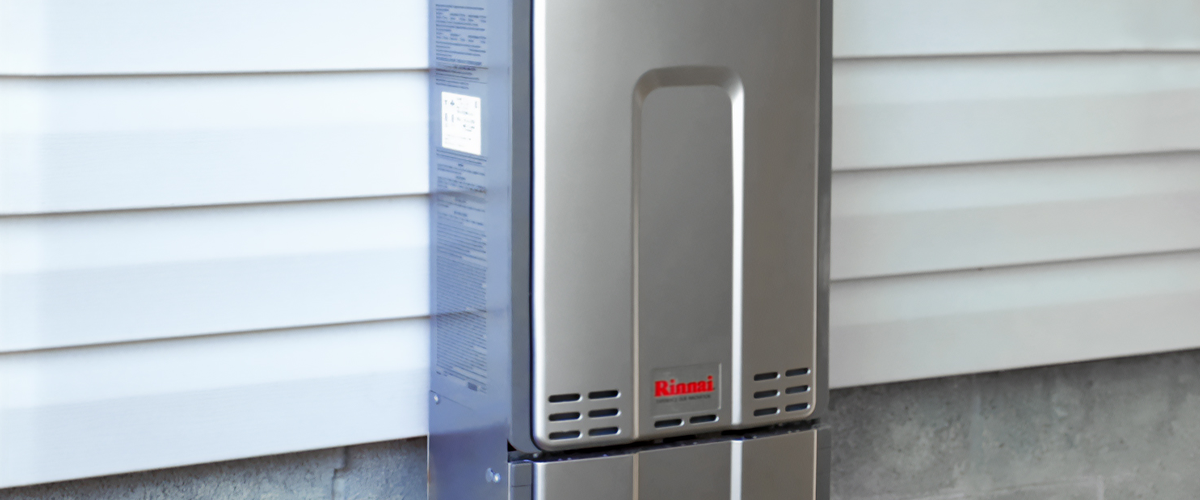
Unlike traditional systems, tankless water heaters don’t store hot water—they heat it on demand. This “instant hot water” design appeals to many Florida homeowners because it eliminates the need to keep a tank full of water hot all day. Tankless units are compact, energy-efficient, and can provide endless hot water as long as your home’s flow rate isn’t exceeded.
The biggest benefit is efficiency. Since tankless models only heat water when you need it, you’re not paying for standby energy losses. This is especially useful in smaller households or for homeowners who want to reduce their utility bills. Over time, the savings can help offset the higher upfront cost of water heater installation.
That said, tankless systems aren’t without drawbacks. They can be more expensive to install—especially if your plumbing or electrical systems need upgrades—and they may struggle to keep up if multiple hot water sources are running at once. Regular water heater maintenance is also crucial, as mineral buildup from Florida’s hard water can impact efficiency and performance without proper water heater flushing.
Energy efficiency is one of the most important factors for homeowners choosing between tank and tankless systems in 2025. Florida’s warm, humid climate means air conditioning already consumes a large portion of household energy, so any way to cut back on utility costs is a plus.
Tankless systems are generally more efficient because they eliminate standby energy loss. For households with sporadic hot water use—such as retirees or smaller families—this efficiency can make a noticeable difference in monthly bills. Tank water heaters, on the other hand, continually consume power to maintain stored hot water, which can add up over the years.
However, some homeowners are considering alternatives like hybrid water heaters, which combine tank storage with heat pump technology. These are particularly well-suited for South Florida water heaters because they can take advantage of the warm air in garages or utility rooms to heat water more efficiently.
Lifespan and reliability are also major deciding factors. Tank water heaters usually last 8–12 years, while tankless models often last 15–20 years with proper upkeep. The difference can make tankless a more attractive long-term investment, particularly for homeowners who plan to stay in their house for years to come.
No matter which system you choose, consistent water heater maintenance is key. Sediment from Florida’s mineral-heavy water can collect in tanks, reducing capacity and efficiency. That’s why professional water heater flushing is recommended at least once a year. Tankless units also need maintenance, as hard water scale can clog heating elements and reduce performance if left unchecked.
When issues arise, calling water heater experts is the best way to ensure your system is diagnosed and repaired correctly. While tank systems are easier for quick fixes, tankless units may require specialized service, making it important to choose a company familiar with modern South Florida water heaters.
Cost is often the deciding factor for many Florida homeowners. Traditional tank water heaters typically have lower upfront costs, with water heater installation ranging from several hundred to a couple thousand dollars depending on capacity. Tankless systems, meanwhile, often cost more upfront due to equipment price and possible electrical or gas line modifications.
However, the long-term energy savings of tankless systems may offset the higher initial expense. Over the life of the unit, homeowners can save significantly on utility bills, especially if they practice regular water heater maintenance. Additionally, with tankless systems lasting longer, homeowners may avoid the cost of a second water heater replacement down the line.
Ultimately, cost analysis should include not just the installation but also energy efficiency, longevity, and the likelihood of future repairs. For some households, sticking with a traditional tank may be the most economical choice, while others will find the long-term value of tankless systems more appealing.
In 2025, the choice between tankless water heaters and tank water heaters comes down to your household’s needs, budget, and long-term goals. Tank models remain reliable, cost-effective options for larger families, while tankless units are ideal for homeowners seeking energy efficiency, longer lifespan, and on-demand hot water. Hybrid models also offer an innovative middle ground that’s gaining traction in South Florida homes.
Regardless of your decision, proper care is essential. Routine water heater maintenance and water heater flushing are crucial for extending the life of any system. If your unit is showing signs of age or inefficiency, scheduling a professional water heater service near me can ensure your home’s comfort and safety.
If your water heater needs serious cleaning, repair, or a full water heater replacement, trust the water heater experts at Pompa Plumbing. Their team specializes in servicing South Florida water heaters and can help you choose the perfect solution for your home. Don’t wait for a breakdown—contact Pompa Plumbing today to schedule your service.
tankless water heaters typically last 15–20 years with proper water heater maintenance, while tank water heaters usually last 8–12 years.
At least once per year is recommended for Florida homes due to hard water, which helps prevent sediment buildup and prolongs your system’s efficiency.
Common signs include inconsistent hot water, leaks, rusty water, or a system that’s older than its expected lifespan.