
Water heaters are essential for daily comfort, providing hot water for showers, laundry, and dishwashing. However, in Florida, where water is often harder and contains higher levels of minerals, regular water heater maintenance becomes especially important. One of the most overlooked but vital steps is water heater flushing—removing built-up sediment and debris from inside the tank. Without it, sediment can shorten the lifespan of your unit and reduce efficiency. But the question is: how often should you flush a water heater in Florida? Let’s break it down.
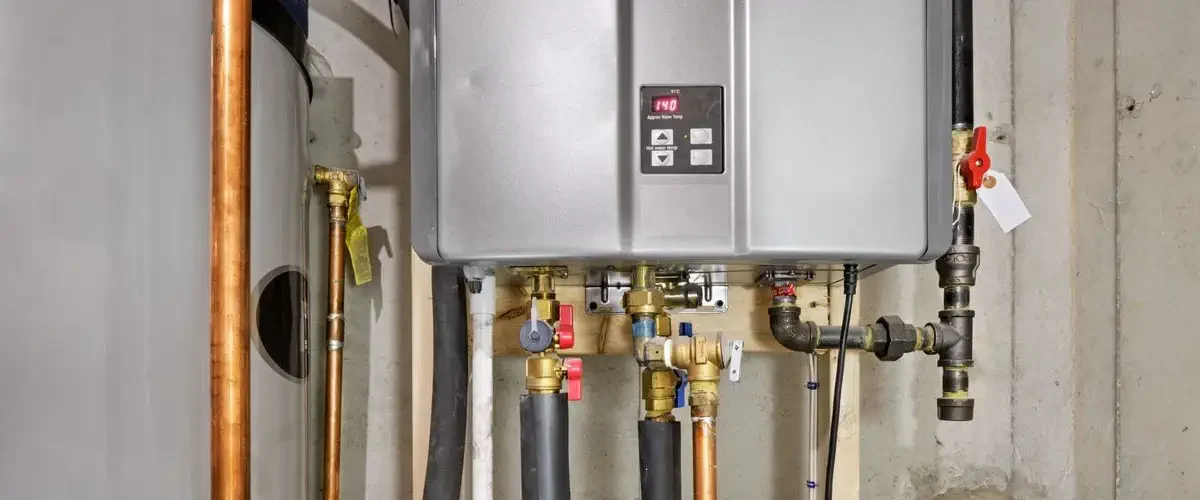
Florida’s water is known for being high in minerals like calcium and magnesium. While these minerals aren’t harmful to your health, they cause hard water issues that directly impact the performance of your water heater. Over time, mineral buildup settles at the bottom of your tank, reducing heating efficiency and making your system work harder.
Unlike states with softer water, South Florida water heaters deal with faster sediment accumulation, which means skipping regular flushing can lead to early corrosion, strange noises, and even leaks. In fact, many homeowners discover they need water heater replacement years earlier than expected simply because maintenance was neglected.
By scheduling regular water heater flushing, you can prevent these problems and keep your system running at peak performance. The mineral-rich water in Florida makes flushing more than just recommended—it’s essential.
As a rule of thumb, most manufacturers suggest flushing your water heater at least once a year. However, in Florida, it’s often smarter to flush every six months due to the higher mineral content in the water supply. This frequency helps prevent major sediment buildup and ensures your water heater stays efficient.
The type of water heater you own also plays a role. Traditional tank-style water heaters require more frequent flushing compared to tankless systems, since sediment collects at the bottom of the tank. If you’re unsure how long it’s been since your last flush, look for warning signs: popping noises, discolored water, or fluctuating water temperatures. These symptoms indicate it’s time to schedule water heater service near me.
For brand-new water heater installation, getting into the habit of flushing early sets the stage for long-term efficiency. Preventative maintenance from the start is always easier—and cheaper—than trying to fix problems later.
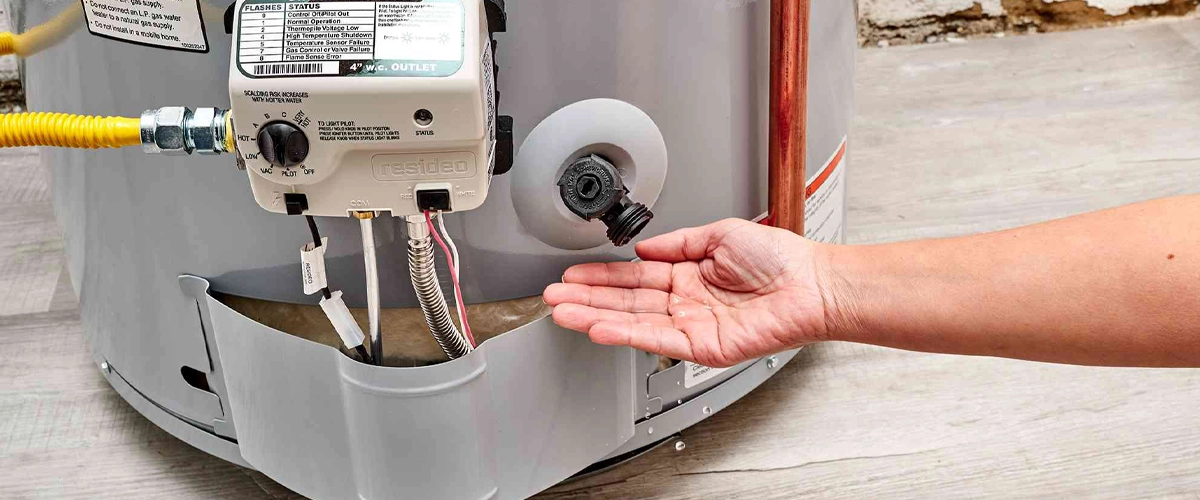
Even with routine flushing, you should watch for signs that your unit needs extra attention. One common red flag is strange noises—crackling, popping, or rumbling. These sounds often come from water boiling beneath a layer of sediment at the bottom of the tank.
Another clear sign is rusty or cloudy water coming from your taps. This usually indicates mineral deposits are contaminating your hot water. In some cases, it might also suggest corrosion inside the tank, which is a serious problem that could lead to water heater replacement if ignored.
Finally, if your water heater takes longer than usual to heat up, or if the water doesn’t stay hot for long, it’s likely due to sediment interfering with the heating element. At this point, calling water heater experts for professional flushing or inspection is the best way to restore efficiency.
Some homeowners attempt DIY water heater flushing by connecting a hose to the drain valve and releasing water until sediment clears out. While this may work for light maintenance, it’s not always effective in removing stubborn mineral buildup. Plus, mistakes—like failing to properly turn off the gas or electricity—can be dangerous.
Professional plumbers use specialized equipment to thoroughly clean the tank, ensuring all sediment is removed without damaging components. They also check for other issues, like corrosion, leaks, or failing parts, during the flushing service. This makes professional flushing a better option for long-term reliability, especially in Florida’s tough water conditions.
If you’re searching for “water heater service near me” and want peace of mind, scheduling a professional service every six months is a smart investment. Not only does it extend the life of your system, but it also saves you money by improving efficiency and lowering energy bills.
So, how often should you flush a water heater in Florida? Ideally, every six months—at minimum once a year. The mineral-rich water supply in South Florida demands more frequent maintenance compared to other regions. Regular water heater flushing improves efficiency, extends your unit’s lifespan, and prevents costly breakdowns.
While DIY flushing might handle light sediment, true protection comes from professional service. That’s where Pompa Plumbing comes in. Our water heater experts understand the unique challenges of Florida water and provide thorough flushing, cleaning, and inspections to keep your system in top condition. If your water heater is showing signs of heavy buildup, or if you simply want to make sure it’s running at its best, call Pompa Plumbing today. From water heater installation and maintenance to full water heater replacement, we’re here to deliver reliable solutions for all your hot water needs.
Skipping flushing allows sediment to build up, which reduces efficiency, increases energy costs, and can lead to premature water heater replacement.
Absolutely. Regular flushing can add years to the lifespan of your water heater by preventing corrosion, leaks, and efficiency loss.
Signs include strange popping noises, cloudy or rusty water, slow heating, or reduced hot water supply. These symptoms indicate sediment buildup.